


How are companies managing the risks of globalisation? And how does energy management factor into supply chain decisions?
Recently, we’ve touched on geopolitical issues as they impact British industry. In this blog we look at supply chains and the strategic rationale for reshoring and nearshoring – the shift to a UK-based supply chain, or one reliant on local European partners. Whether for improved supply chain security or for sustainability, or both, how does energy management factor into these strategic decisions? And how can working with a UK energy technology specialist help when weighing up the options?
A pragmatic move away from globalisation
The UK’s energy sector is particularly hard-hit when geopolitics impact energy supply, as we’ve seen over the last few years with Ukraine and with ongoing conflict in the Middle East. This filters down across British manufacturing where inflated or volatile energy costs can mean reduced productivity and lower business confidence[1]. But geopolitics impact UK manufacturing confidence and capacity more widely, and supply chain interruptions or weaknesses can be business-critical.
In a globalised economy, outsourcing has historically proved an effective, strategic option for many businesses, where lower manufacturing costs can help maintain competitiveness, offsetting the logistical issues of a complex supply chain. However, the impact of global events – from the Covid pandemic to current geopolitical issues – have led many companies to re-think this globalised approach. Reshoring – moving production back to the end users’ market – is growing, as is nearshoring – working with close European partners. The trade-off between lower production costs versus resilient supply chains has become less clear-cut: proximity can be more important than cost savings and can prove more efficient in the long-term.
Reducing risk
An effective, efficient global supply chain relies heavily on a degree of stability. In a time of global uncertainty, the vulnerabilities can be stark – and costly. In the context of the Strait of Hormuz crisis, the impact resonates across markets and sectors. As economist Harun Türker Kara notes,
“The crisis is spreading not only through energy prices, but also via trade routes, supply chains (particularly for food), and financial markets. Disruptions in the Strait of Hormuz could increase logistics costs across a wide geographical area… rising geopolitical uncertainty is dampening investment appetite and increasing volatility in financial markets.”[2]
And economic risks extend beyond politics, as Ever Given’s blockage of the Suez Canal in 2021 showed. When the ship rammed into the bank, it blocked passage through the Canal, holding up approximately $9.6bn of goods per day, according to Lloyds List, with 30% of global container traffic delayed for six and a half days[3]. One risk consultant observed,
“The delay also meant that intermediate products for production were missing, and other products could no longer be sold or could only be sold at a discount. These costs amount to between 250 and 400 million EUR. In total, the direct costs amount to at least 1 billion EUR.
… The 6.5-day blockade of the Suez Canal caused damages to the entire global economy of 2 to 2.5 billion EUR.”[4]
Improving sustainability – and compliance
For the UK, the move to a shorter supply chain can help address nationwide emissions while supporting businesses’ own ESG strategies. Scope 3 emissions are widely acknowledged as the hardest to quantify and address, and they are the bulk of most businesses’ emissions – estimated at between 70 and 90%[5]. Upstream Scope 3 emissions – specifically those from procured products and the transport of supplies – can make up a significant proportion of these. This is especially true for electric and electronic manufacturing; light manufacturing; food and drink processing, pharma, and chemicals manufacturing[6].
The UK Sustainability Reporting Standards, published in February, give a clear indication of the trajectory of reporting timelines, including Scope 3 reporting for primary listed companies on a ‘comply or explain’ basis from 2028[7]. And, under the Modernising Corporate Reporting (MCR) programme, the Companies Act will be updated. While this is currently due for consultation, it is likely to bring high-turnover private limited companies under the mandatory reporting umbrella in the first instance. The trend towards mandatory Scope 3 reporting seems clear.
In this context, given the complexity of Scope 3 reporting, businesses with simplified, resilient, supply chains may gain a competitive advantage. And, for businesses supplying into the public sector, this is already evident: supply chain resilience is a strategic priority for successful tender submission[8]. This is driven by:
- Geopolitical issues – as we’ve already noted
- Regulatory requirements – including The Procurement Act 2023, which demands consideration of economic security, and
- Operational continuity – where resilience strategies are prioritised.
“According to a 2026 Cabinet Office report, 73% of public sector procurement teams now weigh supply chain resilience at 15-25% of total tender scores.”[9]
Reduction of risk – increasing security across the supply chain – and improved sustainability are clear arguments in favour of reshoring, nearshoring, or a blend of the two, where this is feasible. And a shift towards a UK-based supply chain may benefit the UK’s manufacturing base – growing British manufacturing, as a whole. However, pursuing this strategy is not without challenges. And energy management plays a significant role.
Balancing supply chain resilience and energy costs
Dun & Bradstreet highlight the trend towards reshoring and nearshoring, where,
“In the last five years, over a third (34%) of the manufacturers surveyed have relied more heavily on local and regional suppliers.
… Now, 61% of manufacturers are looking to move more than half of their supply chains closer to home, with a further 26% looking to nearshore or localise around half of their supply chain.” [10].
UK manufacturers must balance the risks of offshoring against the potential costs of reshoring or nearshoring. And, for reshoring, energy factors highly as a potential blockage to a simplified, localised, supply chain. We’ve looked at the high energy costs British manufacturers face in previous blogs (Quorn Foods – Powerstar). Efficient energy management can help enable businesses to balance these competing demands.
How can modern energy management technologies impact supply chain resilience?
For businesses looking at the alternatives – continued offshoring, or a shift to reshoring or nearshoring – energy costs are a critical factor. While the difference in labour / production costs may not be as stark as they once were – for example, as China moves away from being known as the ‘world’s factory’ – the UK still has some of the highest energy costs, globally[11].
Increased automation is helping balance out the differences in labour costs from outsourcing to reshoring / nearshoring, but increased automation, the growth of AI, and Industry 4.0 often lead to increased energy usage. In this context, it makes sense to prioritise your business’ energy management infrastructure to offset the potential for higher energy demand against the benefits of greater sustainability and reduced risk. And working with a UK-based electrification specialist can help you stay ahead in the evolving energy landscape, where power resilience, affordable energy, and sustainable manufacturing are all considerations.
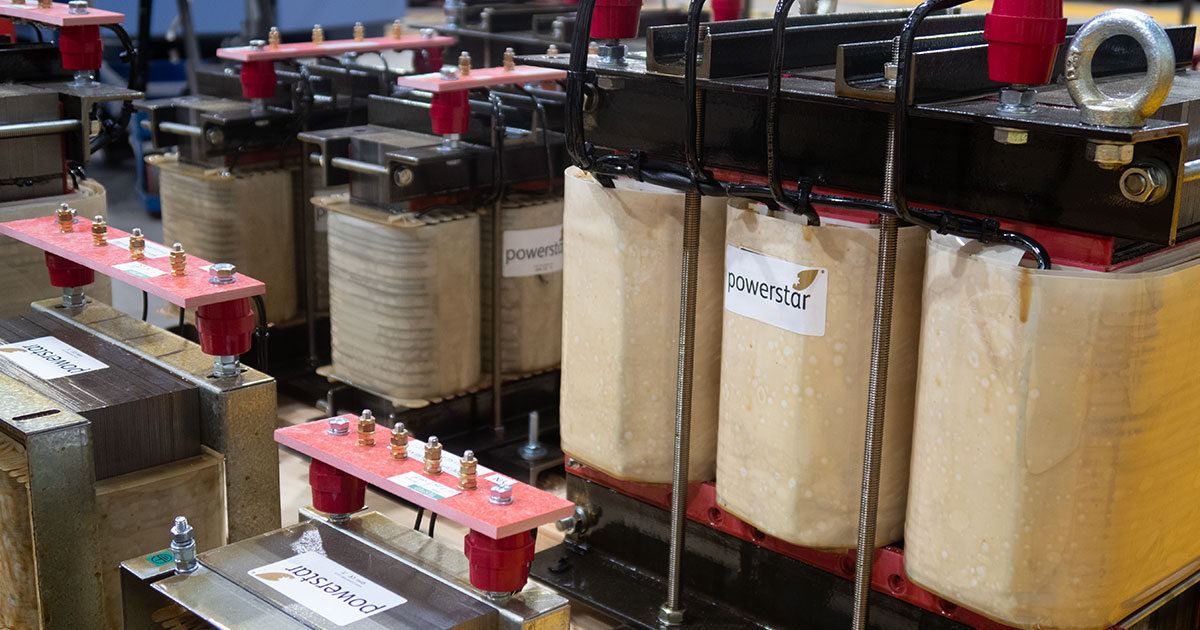
Powerstar help businesses address these often-competing agendas and we’re in our 25th year of designing, manufacturing, installing and maintaining modern energy management technologies from our UK base, for clients operating globally. All our manufacturing is UK-based, helping reduce Scope 3 emissions for our British customer base and ensuring a short supply chain, reducing the risk associated with imported energy management technologies and systems.
The energy management technologies that can drive your supply chain choices
Reduced energy costs and improved sustainability are possibly the most important factors when considering reshoring or nearshoring, and modern voltage optimisation (VO) and low-loss transformers can each inform your company’s decisions. For a deeper dive into each of these technologies, look at some of our recent blogs:
VO – https://powerstar.com/blog/energy-management-voltage-optimisation-manufacturers-short-long-term/
Transformers – https://powerstar.com/blog/crgo-vs-amorphous-core-transformers-why-its-time-to-upgrade/
Headline benefits:
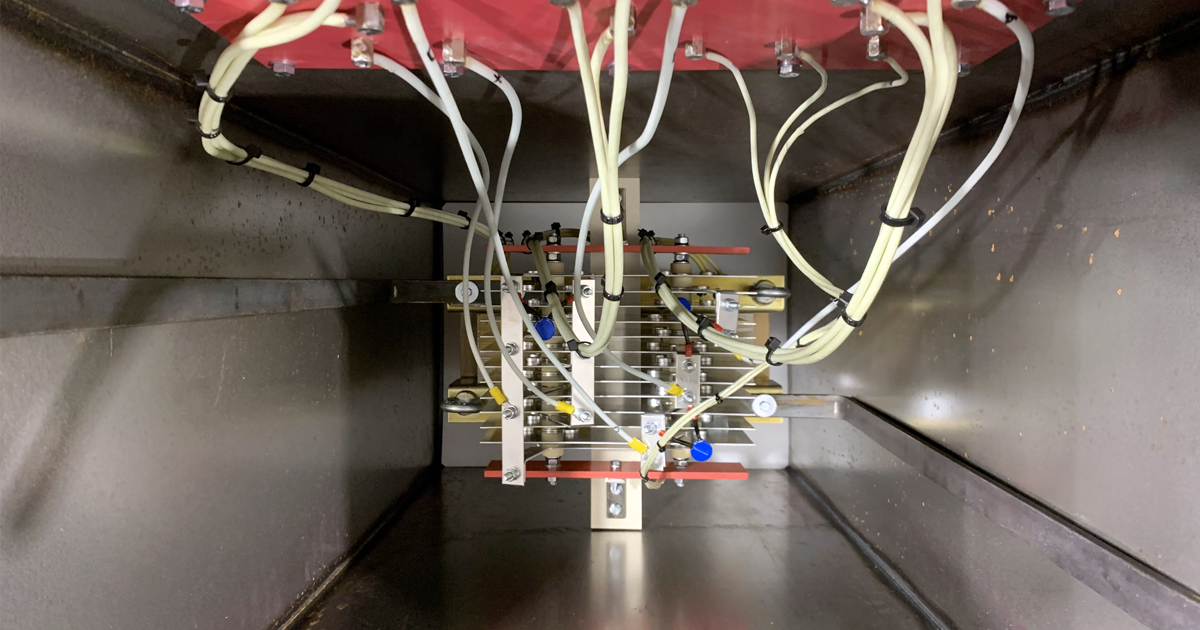
Voltage optimisation: to cut carbon emissions and reduce energy waste; to improve efficiency and lower energy spend. VO can reduce energy spend by 5 – 8%, typically offering payback in 2 – 5 years, with cost-savings from installation. And stabilising your incoming voltage can reduce unnecessary wear and tear, protecting your infrastructure against unnecessary maintenance costs and disruptions.
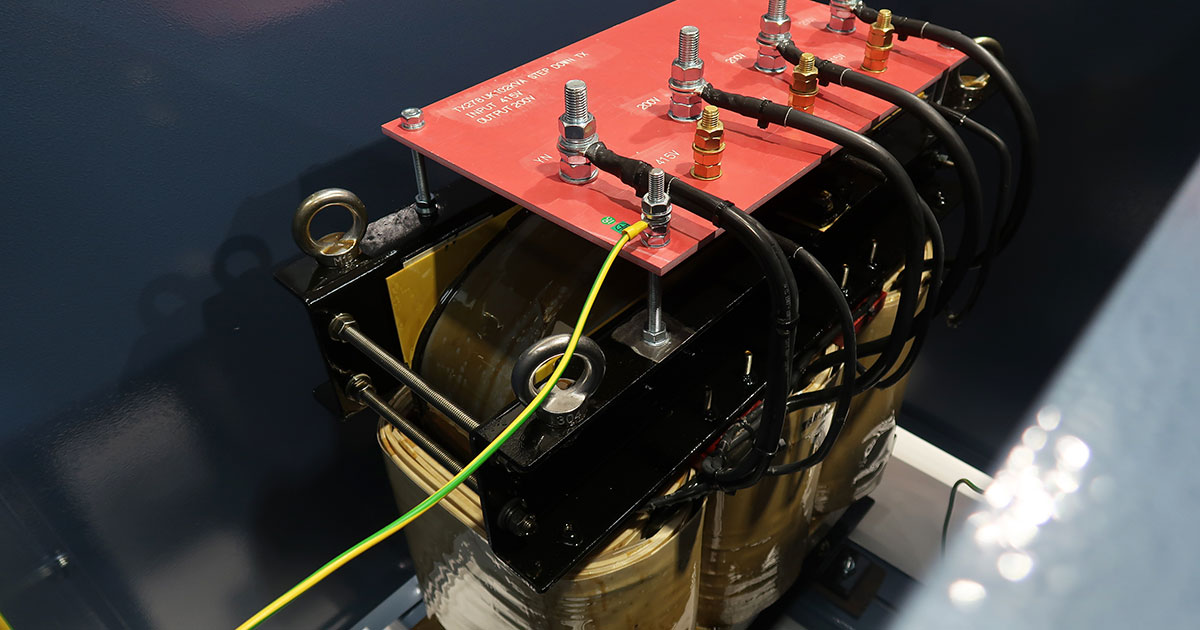
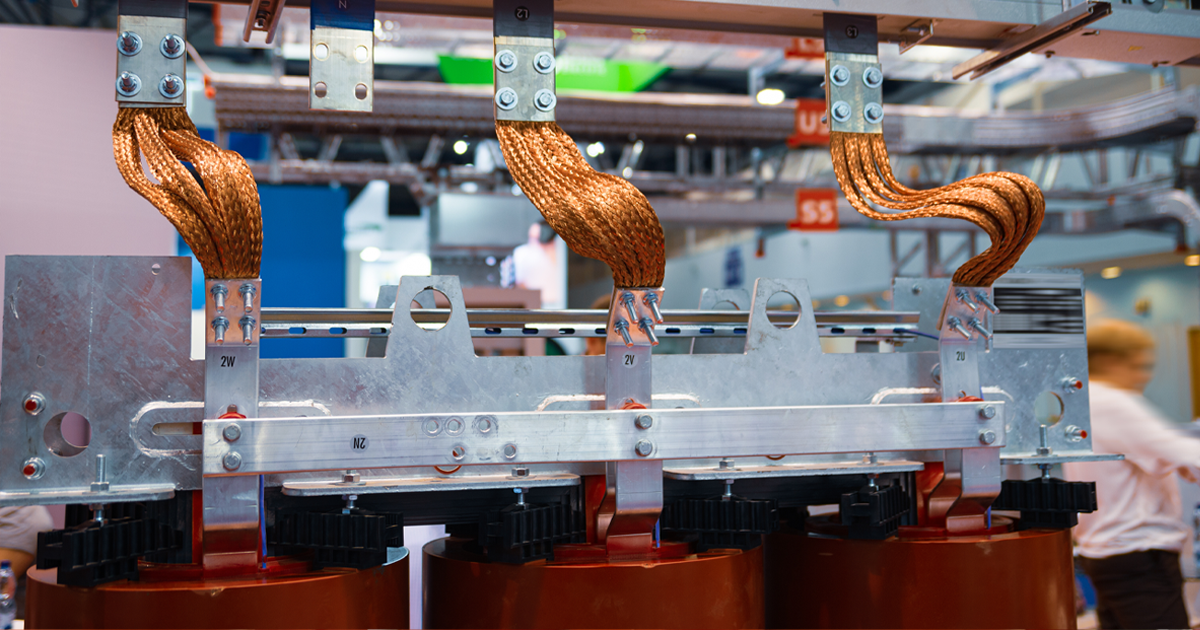
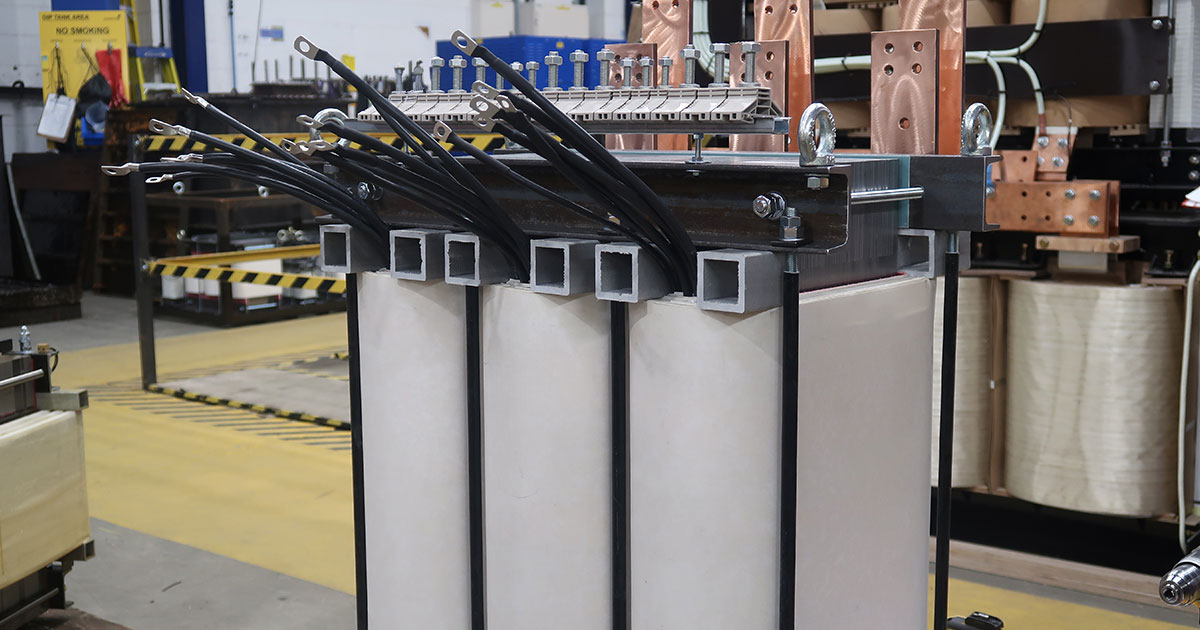
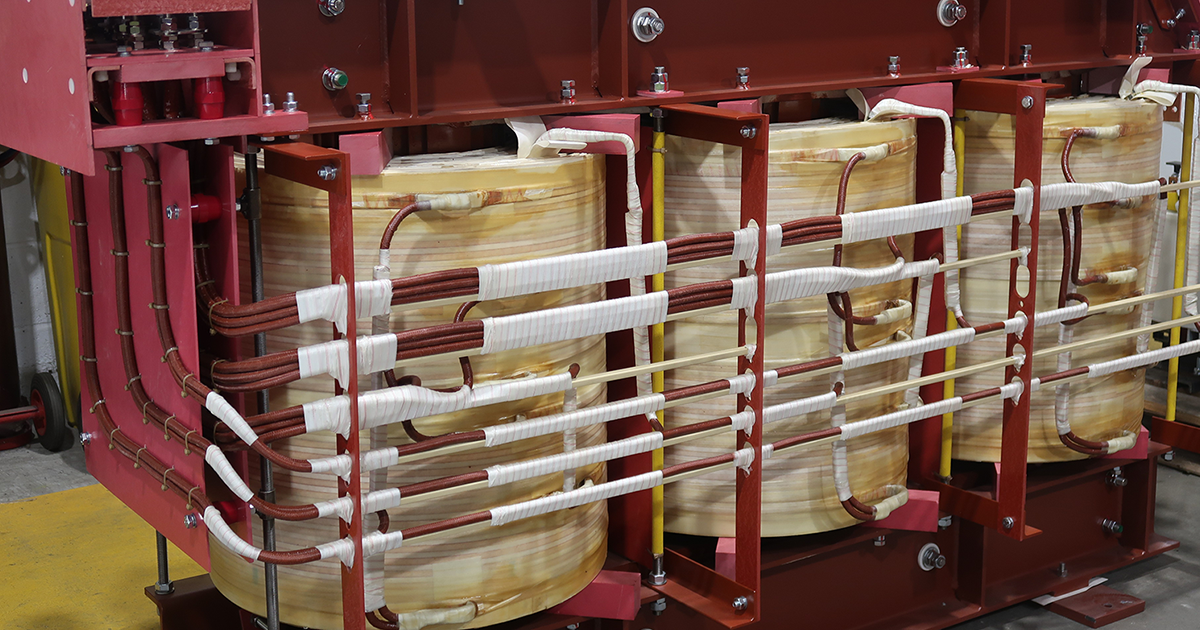
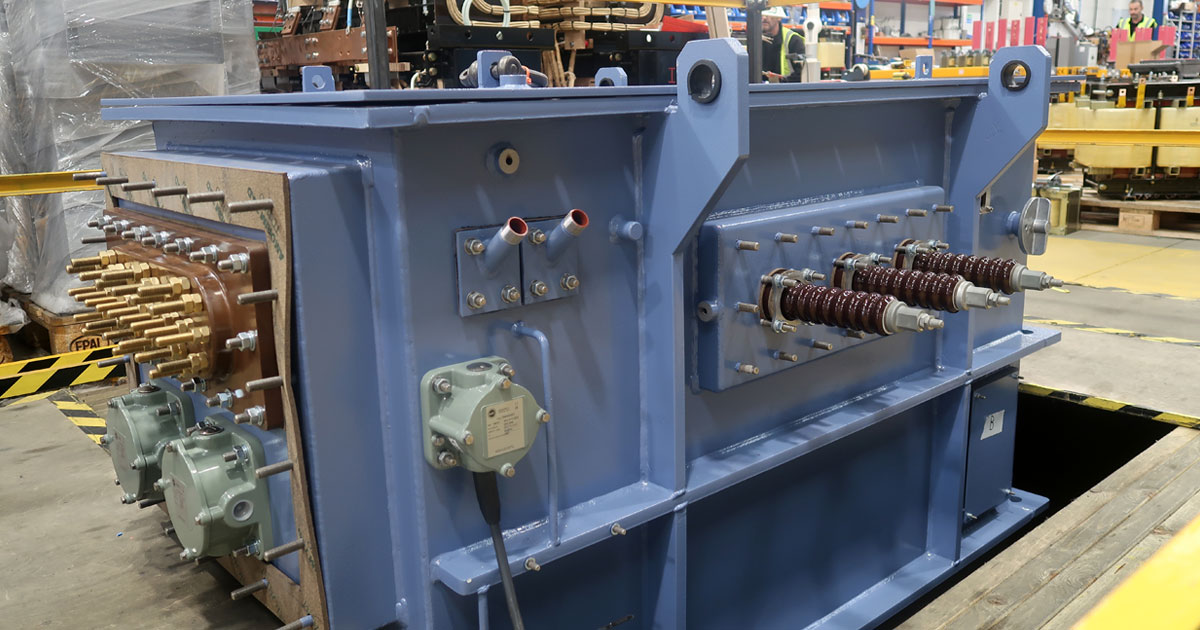
Modern transformers: Low-loss transformers can significantly reduce energy spend, improving energy efficiency and sustainability. As compared to a traditional CRGO transformer, a modern low-loss alternative can reduce core losses by 70%, with up to 99.85% efficiency. And, with a 20 – 30 year lifespan, Powerstar transformers extend the life of electrical equipment, helping to ensure reliability and performance.
When these two technologies are implemented together, the case for updating energy infrastructure can be compelling:
For Wienerberger, the world’s largest brick manufacturer, Powerstar replaced an ageing transformer at their Worcestershire brick factory with a modern, low-loss alternative. The new transformer incorporates voltage optimisation technology. In addition to optimising the voltage supplied to the site, these technologies working together represent an annual energy saving of 8%, reducing consumption by nearly 400kWh.
For Cutting and Wear, manufacturers of hardfacing materials and downhole tools for the oil & gas drilling industry, Powerstar’s engineers helped them achieve their twin ambitions of reduced energy usage and improved sustainability. A new low-loss transformer was recommended, to replace their existing distribution transformer, and to incorporate dynamic voltage optimisation. The combined technologies meet both of Cutting and Wear’s requirements: 9.5% annual reduction in energy consumption, and a carbon emission reduction of 58.7 tonnes per annum, equating to savings of 107,659kWh.
Partner with an expert
As members of Make UK and Made in Britain, Powerstar have been supporting and championing UK manufacturing since 2001. Where businesses need certainty – for their own operations and for their customers – reducing risk while improving efficiency and focusing on energy spend can help your business become more competitive and more sustainable. Energy management has a crucial role in any supply chain review. And working with a trusted, reputable energy management specialist is the first step towards resilience, efficiency, and effective risk management.
To find out how Powerstar can help inform your supply chain decisions for the short- and long-term, talk to our experts today.
[1] https://www.makeuk.org/insights/reports/manufacturing-outlook-2026-q1
[2] https://politicstoday.org/the-strait-of-hormuz-and-the-global-economy/
[3] https://www.bbc.co.uk/news/business-56533250
[4] https://greco.services/a-world-loss-event-and-its-far-reaching-consequences-ever-given/
[5] https://www.carbontrust.com/our-work-and-impact/guides-reports-and-tools/scope-3-emissions-what-are-they-and-why-do-they-matter
[6] https://www.ciip.group.cam.ac.uk/reports-and-articles/understanding-industrial-scope-3-emissions/
[7]https://www.gov.uk/government/publications/uk-sustainability-reporting-standards-uk-srs-s1-and-uk-srs-s2
[8] https://mytender.io/blog/supply-chain-resilience-public-procurement-guide-2026
[9] Ibid.
[10] https://www.dnb.co.uk/content/dam/web/int/posts/pdf/DnB-Manufacturing-Pulse-Survey-2025_Final.pdf
[11] https://www.energy-uk.org.uk/publications/middle-east-conflict-and-impacts-on-non-domestic-energy-contracts/#:~:text=UK%20industrial%20electricity%20prices%20are,European%20median%2C%20undermining%20international%20competitiveness.