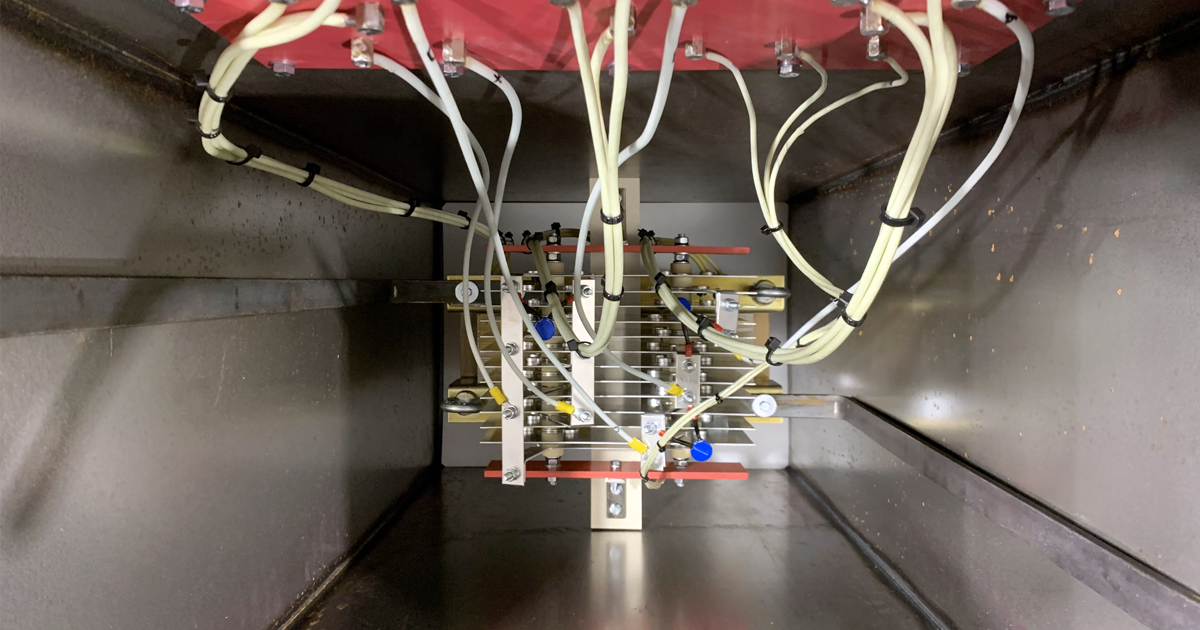
Electricity demand in the UK is growing to meet clean power targets. As we become increasingly electrified, are businesses overlooking a means to help futureproof operations while gaining immediate efficiencies?
In this blog, we look at distribution transformers: why electrification can make them a critical aspect of your energy management infrastructure, and the benefits of upgrading from a conventional transformer to a modern low-loss option.
Growing demand
The International Energy Association state in their Global Energy Review 2026,
“2025 data confirm the arrival of the Age of Electricity”[1]
Similar to many advanced economies, electricity demand had dropped in the UK over the last two decades, with a downward trend of 31 percent between 2000 and 2024, in part due to greater energy efficiency and the contraction of heavy industry.[2] But as the UK electrifies; with the rapid growth in data centres and increased automation across manufacturing, and as the EV and heat pump markets grow, demand for electricity is predicted to soar by 50% by 2035.[3]
Electrification is a pivotal aspect of the UK’s net zero strategy, and an increase in electricity demand two years in a row – by 1TWh in 2024 and 4TWh in 2025 – is seen by some commentators as a potential turning point for the country’s energy strategy.[4] And, looking to the UK’s net zero targets, a briefing paper from 2025 suggests that,
“With a supportive policy environment, electrification of industry could deliver more than 40% of the greenhouse gas emissions reductions needed by industry to help reach the UK’s net zero target. Researchers from the University of Leeds have modelled such a scenario and implications for electricity distribution networks. In this scenario, industrial electricity use will increase by 78% between 2024 and 2050.”[5]
In this changing energy landscape – where businesses need to decarbonise, to reduce energy spend, and to improve efficiencies when electricity consumption is increasing – reviewing your existing energy infrastructure can reap immediate benefits. Often forgotten once installed, distribution transformers play an important part in this evolution.
A cornerstone of UK manufacturing – and an asset for the future
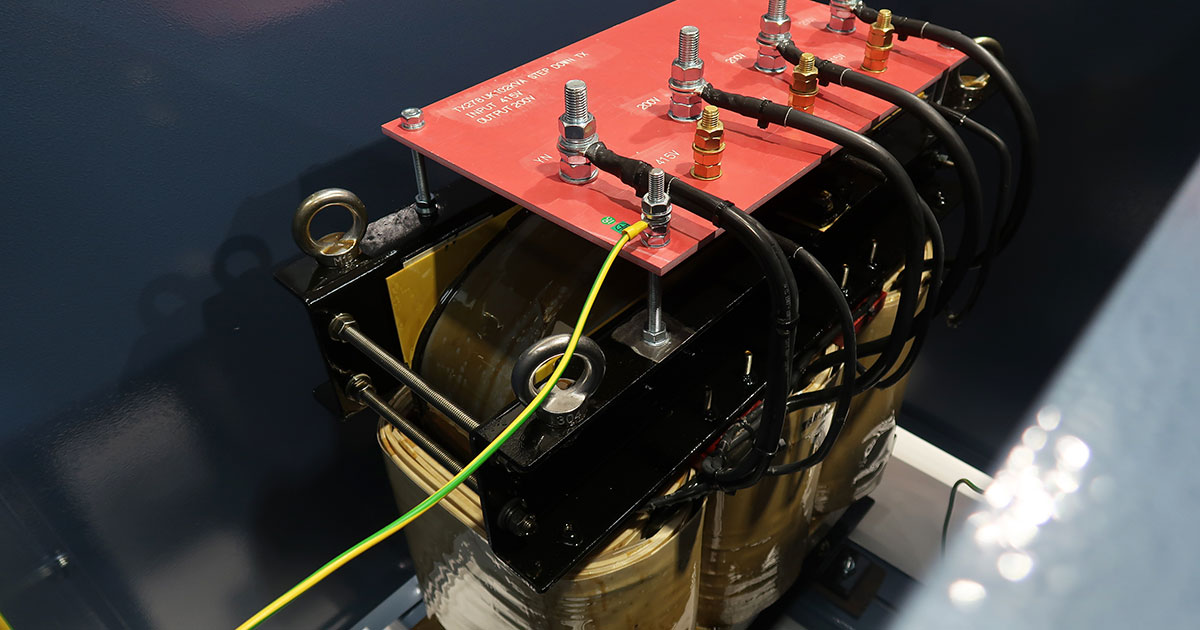
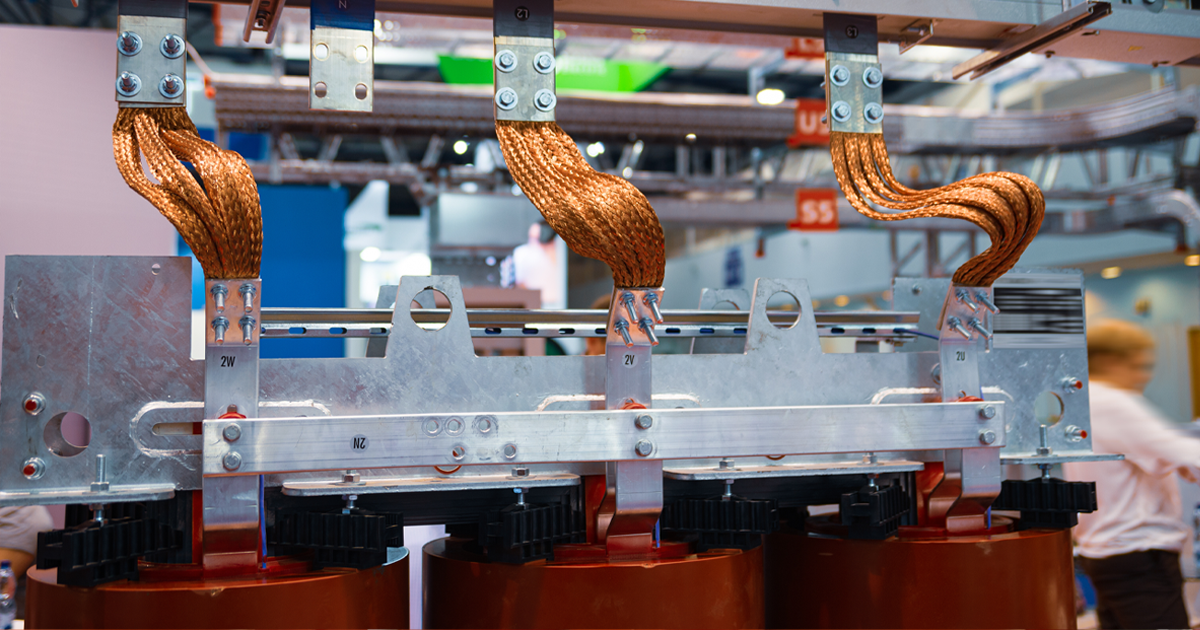
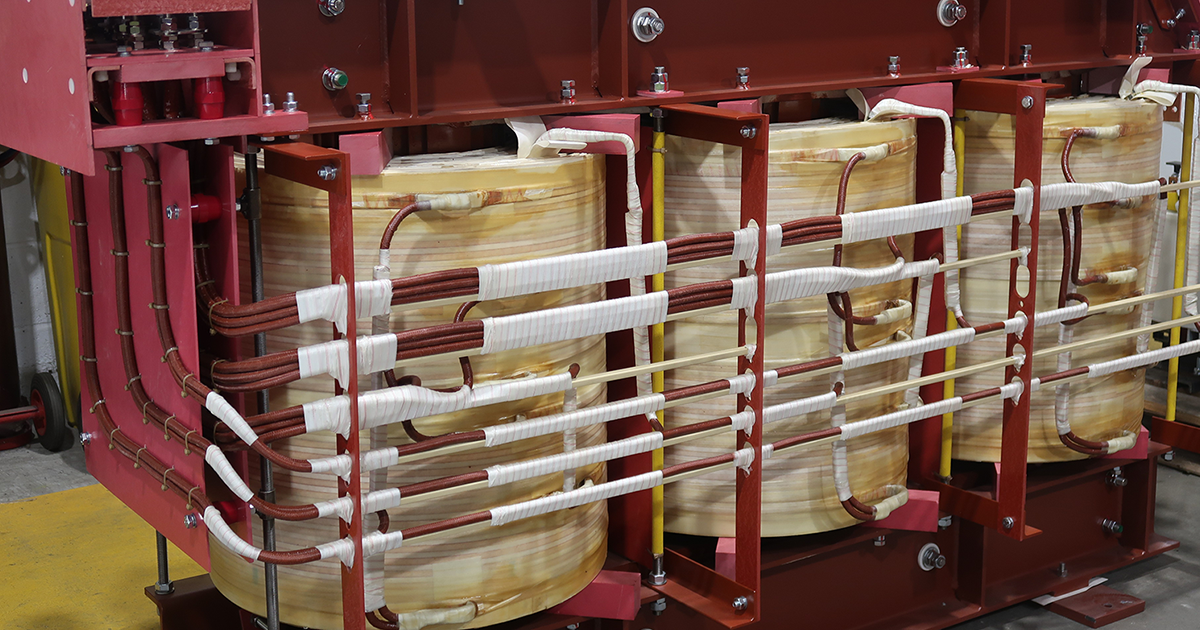
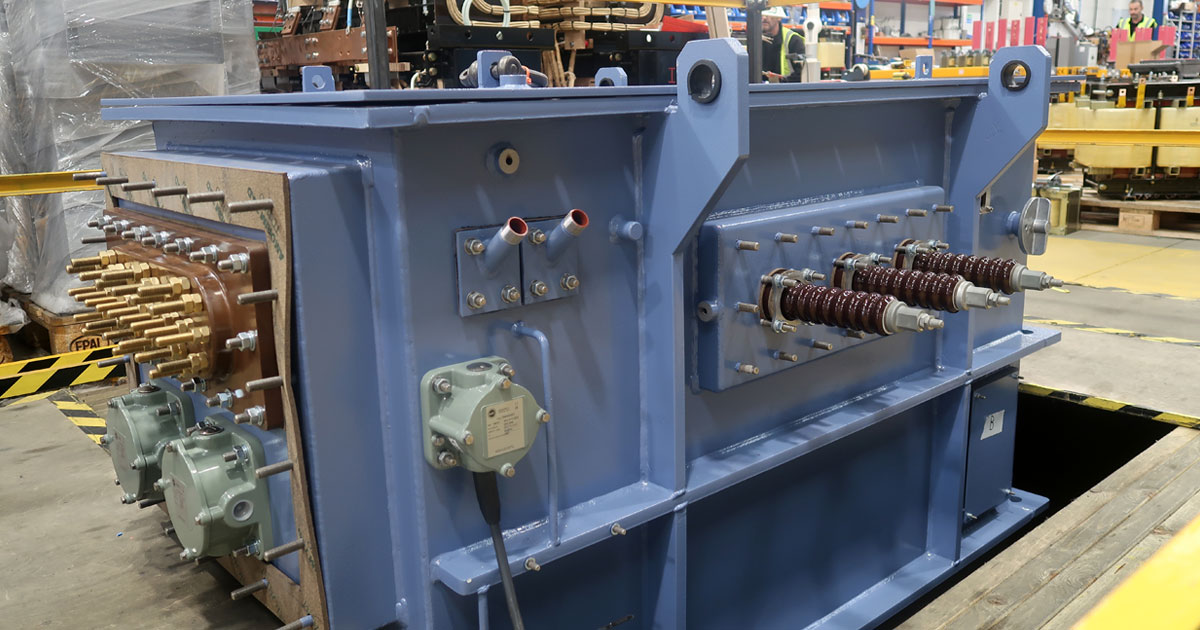
Distribution transformers are well-established across multiple sectors: for manufacturing; industrial sites with long operating hours and large machines; for commercial and public sector buildings, and for any site that incorporates renewables, where they can help maximise efficiency and minimize energy waste. Stepping down high-voltage grid power into a safe voltage for your on-site equipment requirements, the trend towards electrification only increases their importance. But the average age of a transformer across the UK’s fleet is 64 years.[6] In the context of an estimated operational lifespan of 20 years, an outdated transformer can be costly – in several ways.
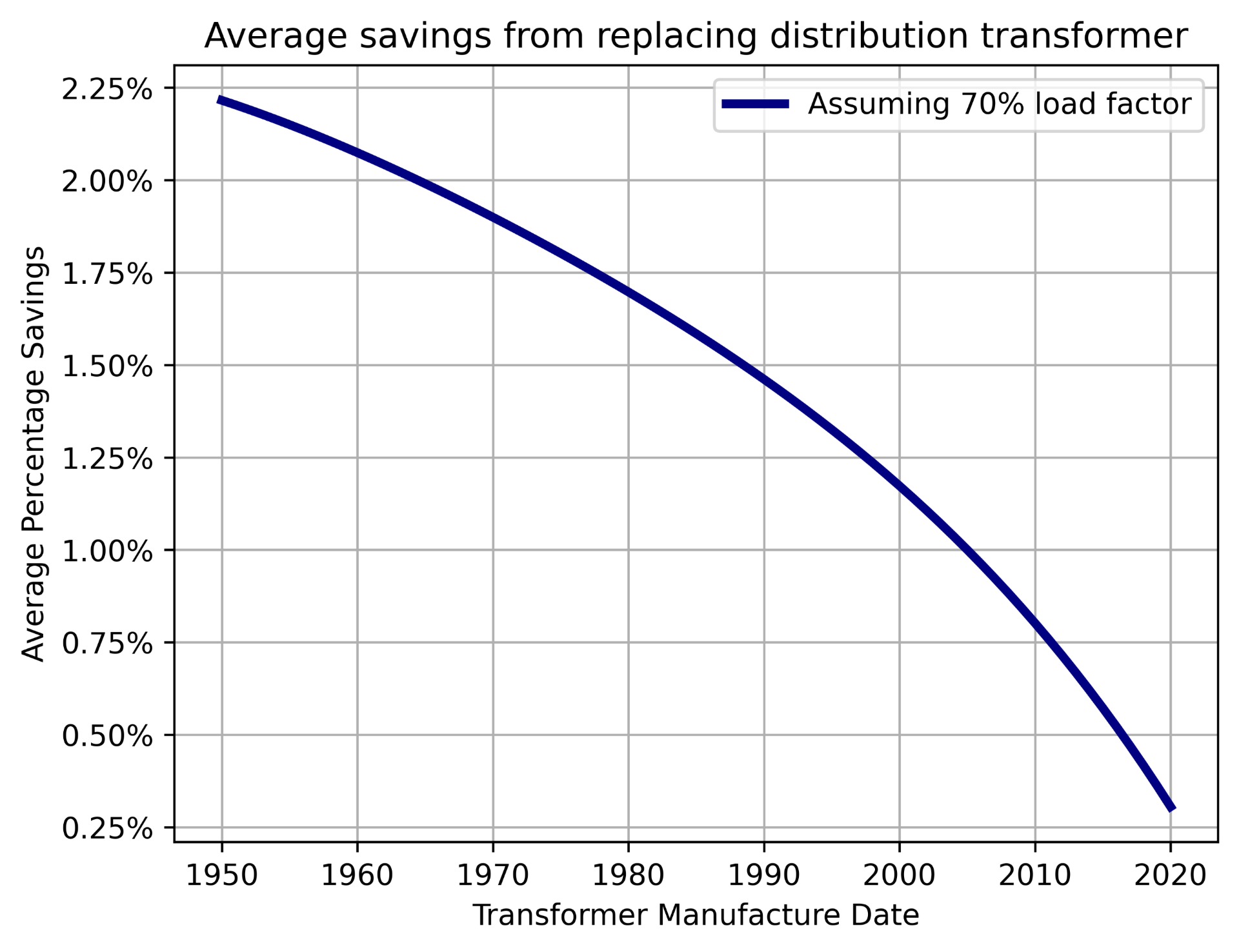
While an older transformer may still be functioning, it can leave you exposed to failure, leading to expensive and unplanned maintenance – and possible reputational damage when downtime is factored in. And, looking to sustainability and cost-effectiveness, an inefficient transformer creates unnecessary emissions – particularly Scope 2 – and can inflate energy spend. The graph below indicates the cost implications of running an outdated transformer and the incremental savings through replacement, depending on its age.
A site survey, where this includes voltage profile measurement, can identify where transformer replacement could improve efficiency – reduced energy usage for lower energy spend and improved sustainability. For one 38,000 square foot manufacturing site, our engineers’ survey indicated poor performance in their existing distribution transformer. Replacing this with a low-loss amorphous core transformer with dynamic voltage optimisation significantly reduced iron and copper transformer losses, leading to cost savings while regulating the incoming supply. In this instance, savings equate to 9.5% energy consumption reduction and approximately 60 tonnes of carbon emissions saved.
CRGO or amorphous core?
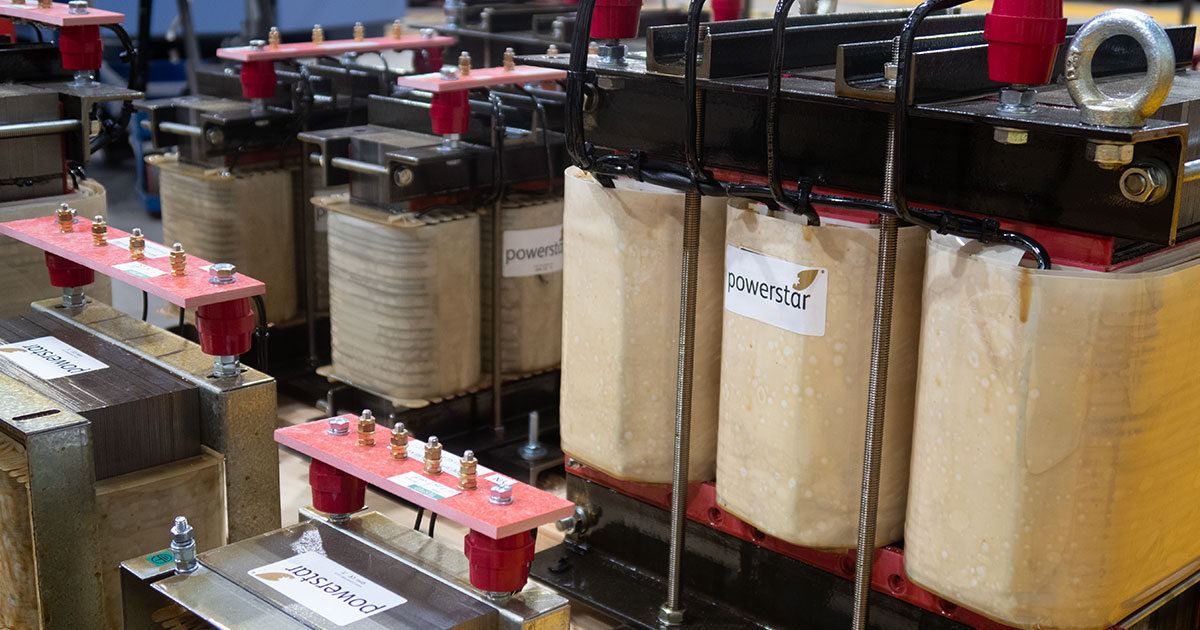
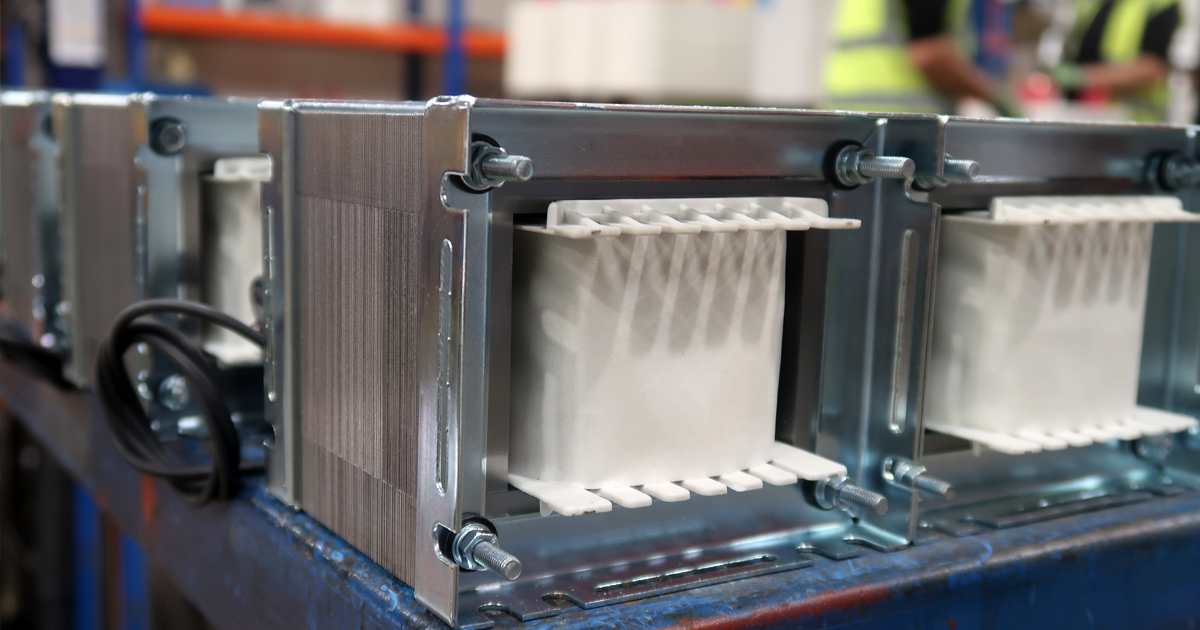
Traditionally, transformer cores have been made from Cold Rolled Grain Oriented (CRGO) steel. However, replacing these with modern, amorphous core alternatives can lead to improved energy efficiency for lower energy costs and emission-reduction. CRGO cores, with a crystal structure, allow for the efficient flow of magnetic energy, but no-load losses can be significant: wasting energy even when the transformer is not supplying power. In contrast, amorphous core transformers use “metallic glass” – non-crystalline metal alloys with a unique atomic structure that allows magnetic domains to shift more freely, thus reducing hysteresis losses. This can mean a 70-80% reduction in no-load losses.
At Powerstar all our distribution transformers are amorphous core, as standard. And, where integrated remote monitoring is incorporated, customers benefit from real-time insights into transformer performance, allowing for further efficiency improvements.
Sustainability and reduced energy spend
When looking to replace outdated transformers, our customers often come with two specific requirements: cost-savings and improved sustainability.
For Trelleborg – a world-leader in engineered solutions for critical application protection in demanding environments – the challenge was to address large losses across their high-voltage infrastructure. This was leading to high energy spend and unnecessary consumption. As a company focused on sustainability, Trelleborg wanted to achieve improved energy efficiency and reduce their electrical consumption – and the existing transformer was an ideal starting point. Replacing their old transformers with a modern amorphous core alternatives has saved 135,000 kWh per year – approximately 2% of their annual consumption – and 44% fewer losses, resulting in a payback period of less than three years.
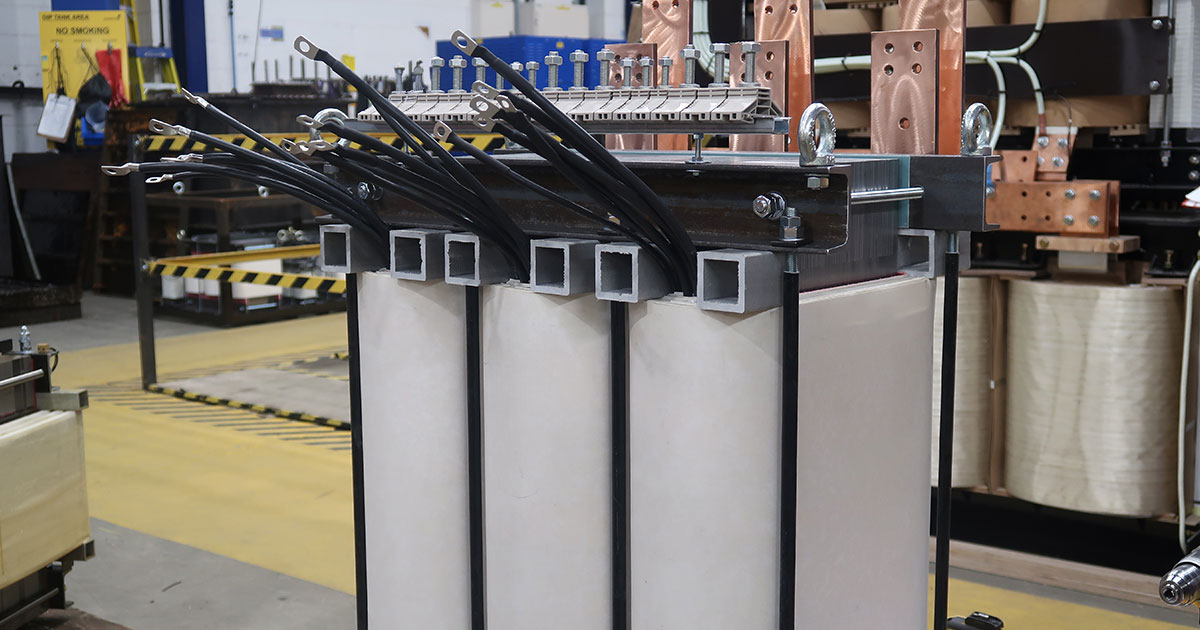
As well as offering long-term energy savings Powerstar transformers meet and exceed Tier 2 Eco Design requirements and, because we manufacture all our transformers at our state-of-the-art UK facility and prioritise local sourcing and component traceability, we help customers reduce their upstream Scope 3 emissions.
The case for investment
The benefits of replacing old assets with modern distribution transformers will depend on each site’s profile and energy demands. In high-load or continuously-operating scenarios a traditional transformer can waste between two and five percent of total energy consumption – potentially costing as much in one year as the transformer’s original purchase price. Wastage from amorphous core transformers is less than one percent, with 70-80% lower carbon emissions and up to 99.85% efficiency.
As we enter “the Age of Electricity”, for any business reliant on outdated transformers, investigating modern distribution transformer technology offers the opportunity to reduce energy spend and carbon emissions, with a clear payback period and return on investment.
For advice from distribution transformer experts – to find out if modern transformer technology could benefit your business – contact Powerstar.
[1] https://iea.blob.core.windows.net/assets/df903e1c-49c6-4757-8cbf-6fbcfe7611a0/GlobalEnergyReview2026.pdf
[2] https://www.iea.org/countries/united-kingdom/electricity
[3] https://www.theguardian.com/the-grid/2025/dec/11/upgrading-the-grid-key-numbers-in-the-uks-energy-transition
[4] https://www.carbonbrief.org/analysis-uk-renewables-enjoy-record-year-in-2025-but-gas-power-still-rises/#:~:text=UK%20demand%20increased%20by%204TWh,%2C%20terawatt%20hours%20(TWh)