

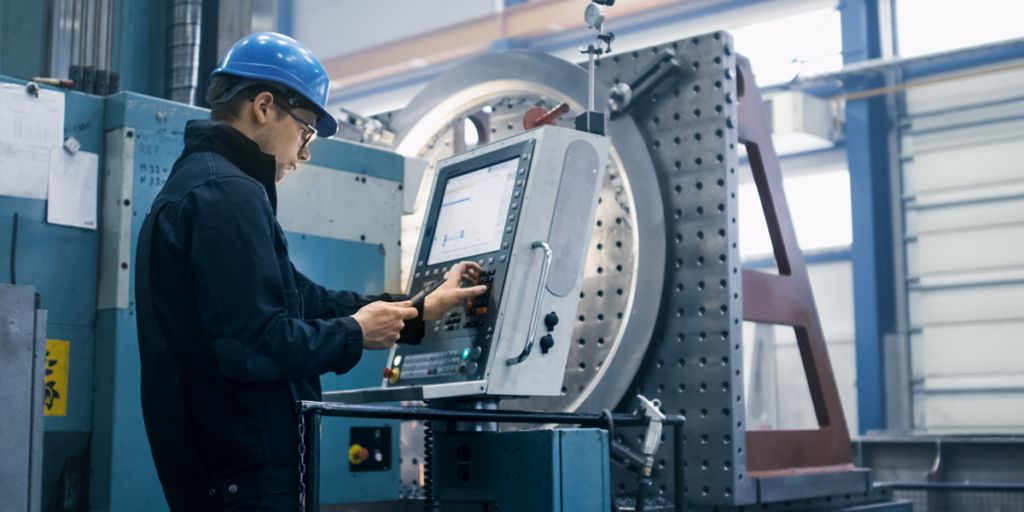
Computer Numerical Control (CNC) machines already play a vital role for many manufacturers, and their use is growing exponentially – in part to meet the demands of optimum efficiency and greater productivity. Energy management technology is crucial to maximise the benefits of investment in CNC, and modern low-loss transformers can play a pivotal role in meeting these demands.
The growth of CNC for connected and automated manufacturing
CNC enhances manufacturing productivity and efficiency goals through improved accuracy, consistency, and speed. CNC machines accurately regulate tool motion, meaning that every cut – however precise the demand – is as required; computer control avoids the problem of human error, making for greater consistency. These both lead to much faster running rates than conventional machinery. And, given the pressures on manufacturers for greater efficiency, the global CNC market is experiencing a huge growth rate, from USD 86.83 billion in 2022 to a predicted USD 140.78 billion in 2029, at a Compound Annual Growth Rate of 7.1%[1]. As businesses increasingly embrace the Internet of Things (IoT), investment in CNC continues to grow across the breadth of the manufacturing sector.
Troubleshooting energy management for CNC
CNC machines are crucial to many businesses’ efficiency and productivity, offering precise control coupled with automation. That said, they are still prone to operational issues, with potential points of failure – and power management is an important area for consideration. Power disruption, and any fluctuations in power supply, impact on manufacturing processes. For businesses operating CNC machines, these can cause significant issues. Recognising and identifying electrical issues is vital to protect sensitive components and reduce the potential of wasted product and downtime.
The main power supply-related problems relate to transformer failure and voltage regulation:
- Transformer failure can be caused by overheating and by electrical surges. Here, the main symptoms will be a lack of power output, unusual noises during operation, together with a smell of burning.
- For voltage-related problems, electrical surges can be the root of the problem, manifesting as error codes and unstable machine performance.
Investing in energy management with modern transformer technology can help avoid these potential points of failure for CNC machines.
Transformer-based technology – traditional vs. modern technologies
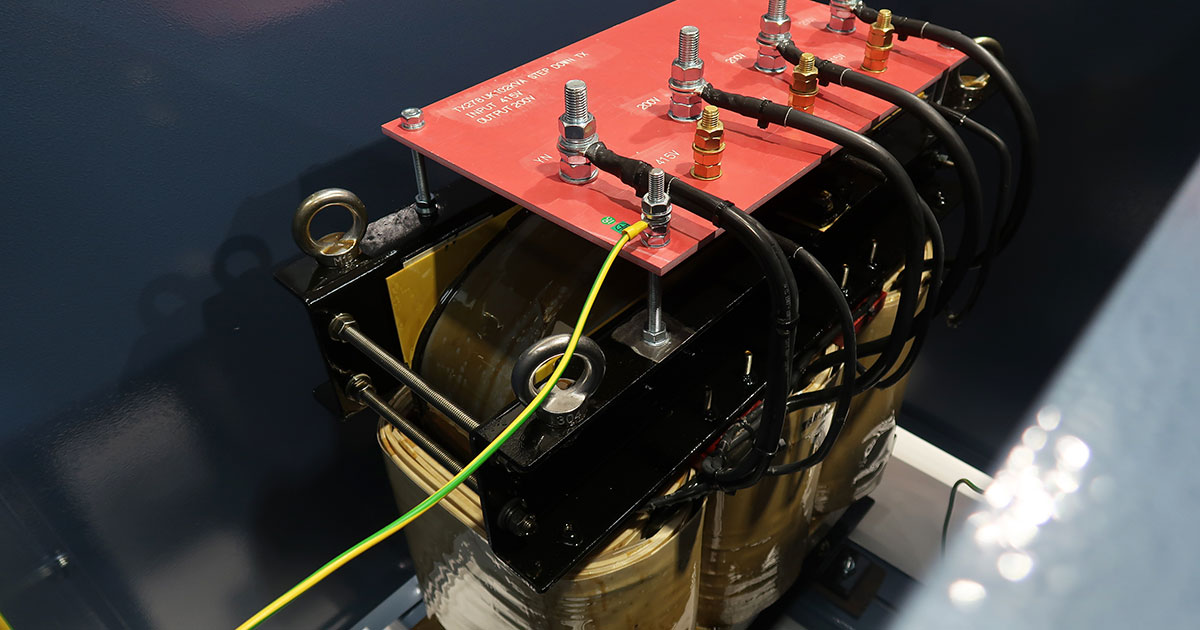
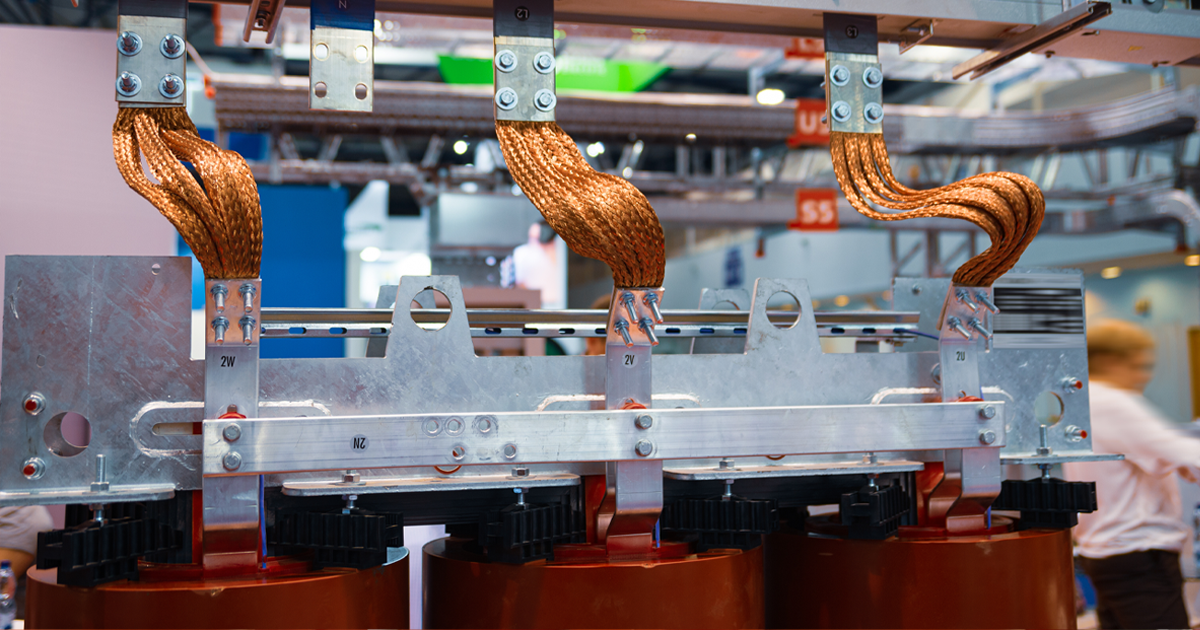
Transformers are already used by many businesses – and are critical for those operating CNC machines. They step-up or step-down incoming voltage for usable power. And, where companies have on-site renewables, transformers are a necessary component for the integration of sustainable power into electrical systems. In fact, the increase of businesses’ investment in renewables is exacerbating a problem for those companies that already rely on transformers for their day-to-day business operations: the global demand for transformers far outstrips the available supply, and many companies are facing lengthy delivery delays.
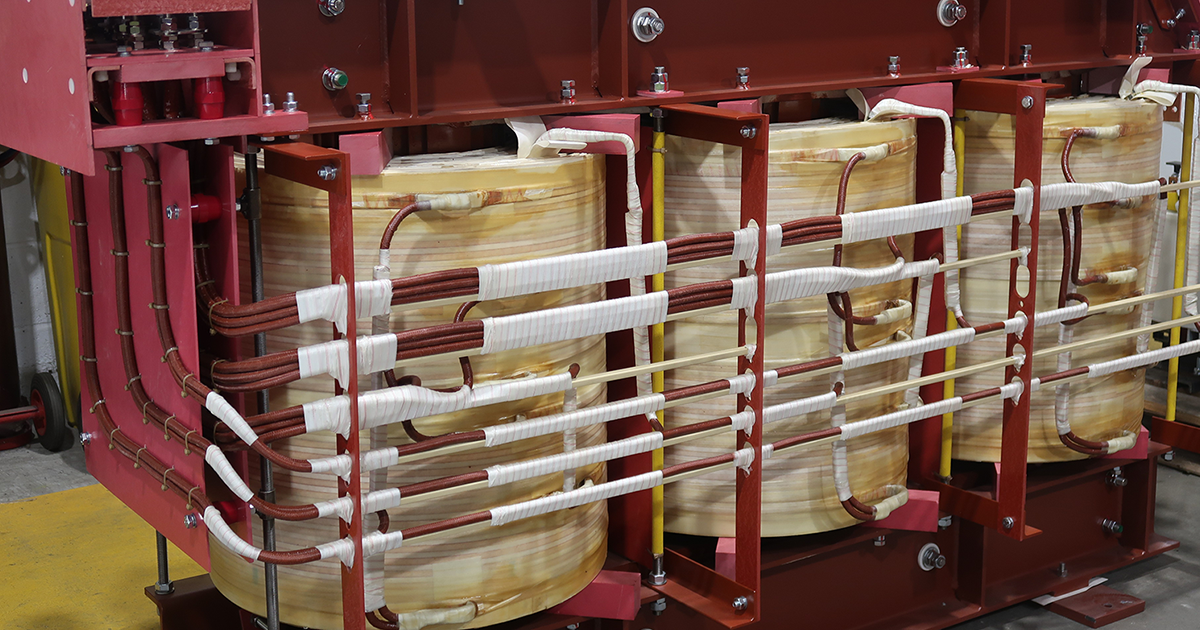
The age of the UK’s transformer fleet is well-documented – with many operating at well beyond their intended design lifespan, risking transformer failure, production downtime, and scrappage or wastage of product. Even outside of failure, an older transformer will have high operational costs, with unnecessary maintenance bills, inflated energy consumption, and avoidable levels of Scope 2 carbon emissions.
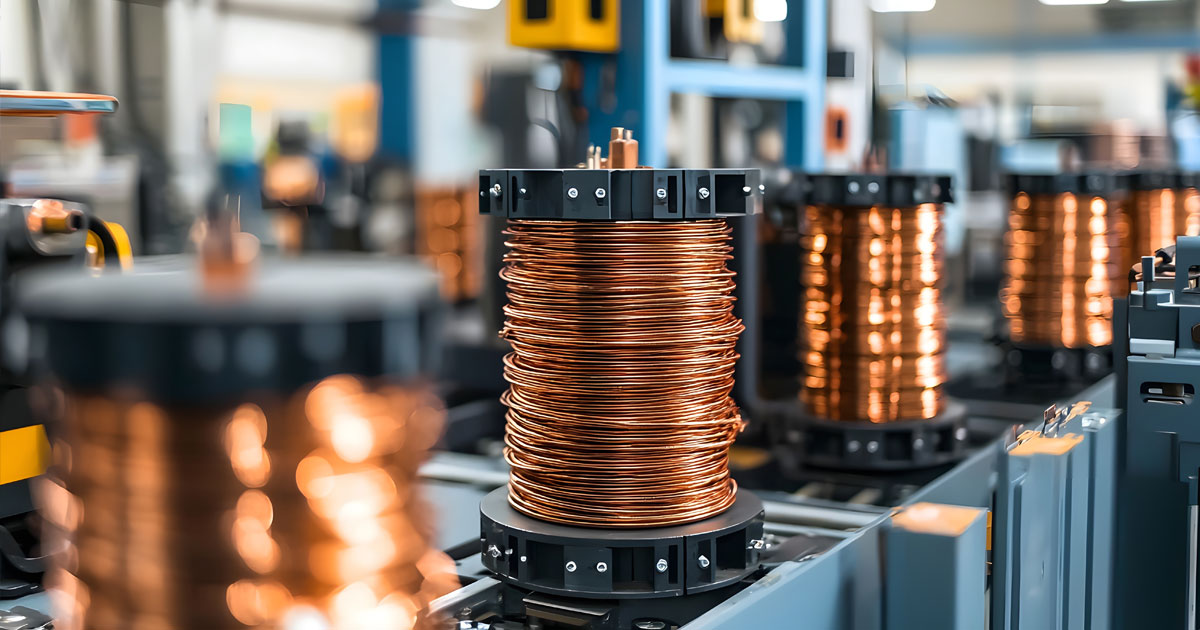
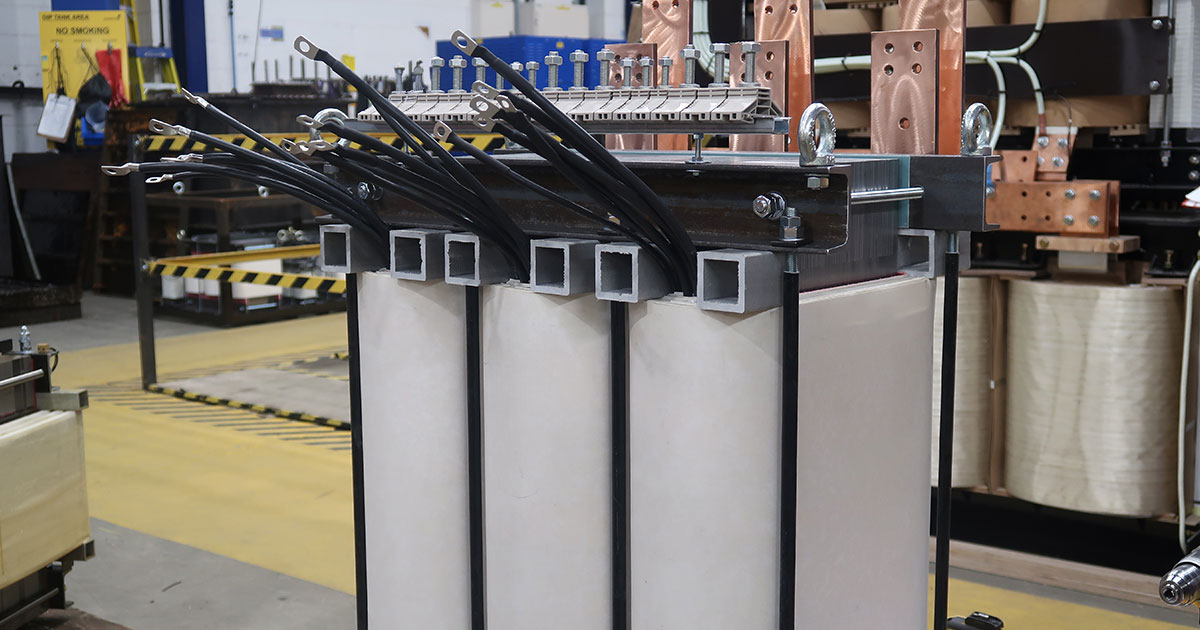
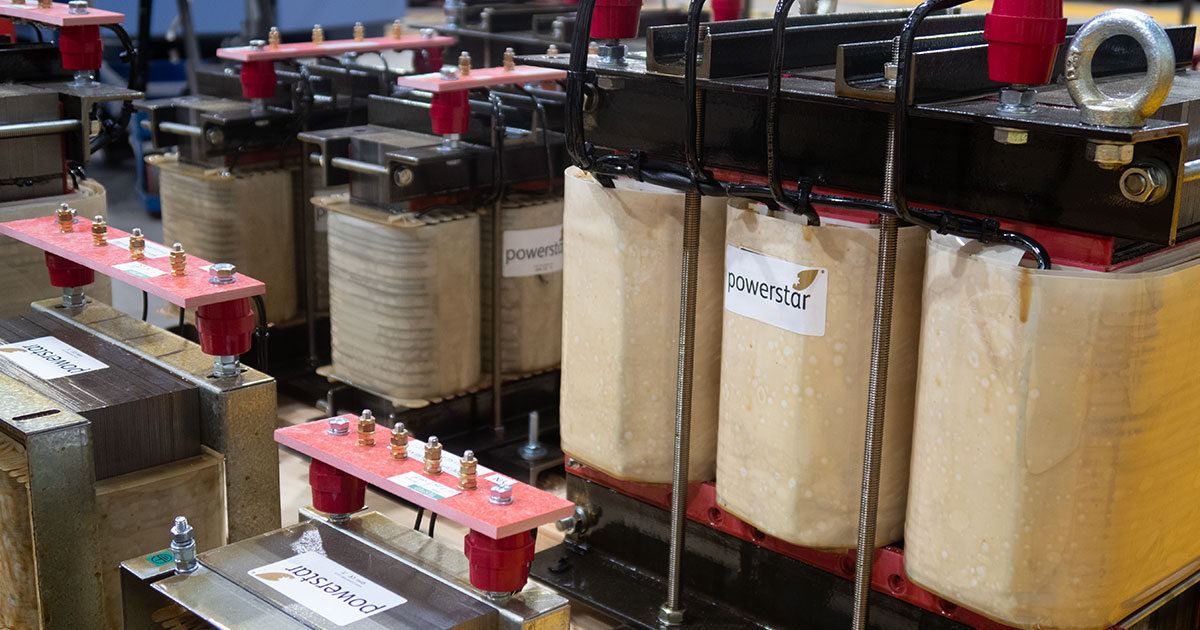
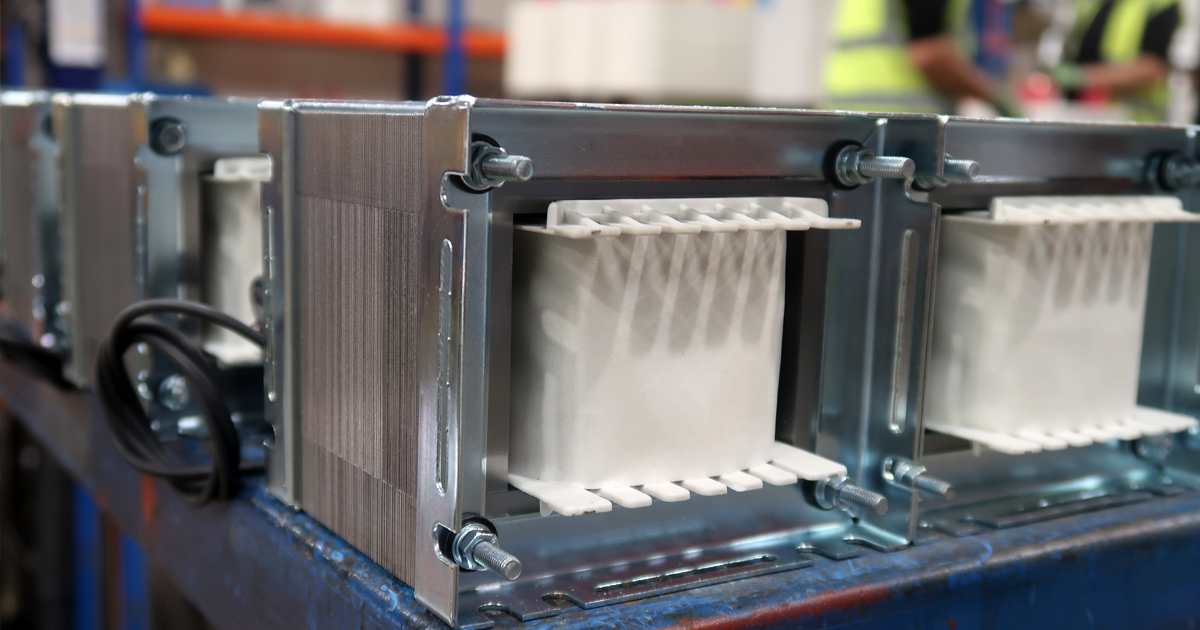
Modern amorphous core transformers offer significant and quantifiable benefits compared to older models – especially relevant for companies whose processes incorporate CNC into their fundamental business operations. Traditional Cold Rolled Grain Oriented (CRGO) is efficient, but at a similar price margin, modern amorphous core transformers offer benefits beyond those of CRGO: up to 70% lower core losses, equating to reduced energy consumption and operating costs.
Dynamic voltage optimisation integrated with transformer technology
There are obvious cost savings gained through implementing transformer technology, alongside the necessary demand for CNC machines. But most sites in the UK are supplied with an overvoltage from the National Grid, which increases energy costs and creates unnecessary wear and tear on equipment. For businesses using CNC machines, this can impact power resilience – leading to downtime – as well as maintenance requirements, and higher energy costs and CO2 emissions. Voltage optimisation conditions the incoming voltage to a site to help address these issues. An intelligent voltage optimisation system ensures that voltage is supplied on-site between an optimal, stable level, regardless of input voltage instability.
The importance of affordable precision – energy management in action
Precision is critical for many manufacturing sectors: pharmaceutical, military, aerospace, transport and defence are all obvious areas where companies need to operate effectively to meet customer and regulatory demands, and these are key sectors where CNC can be critical to business operations.
Within the oil and gas sector, for example, precision-fitting is essential: the risk of supplying imperfectly machined components has huge ramifications if components fail to meet stringent safety requirements. Effective CNC manufacturing processes are a crucial element at many points in the supply chain.
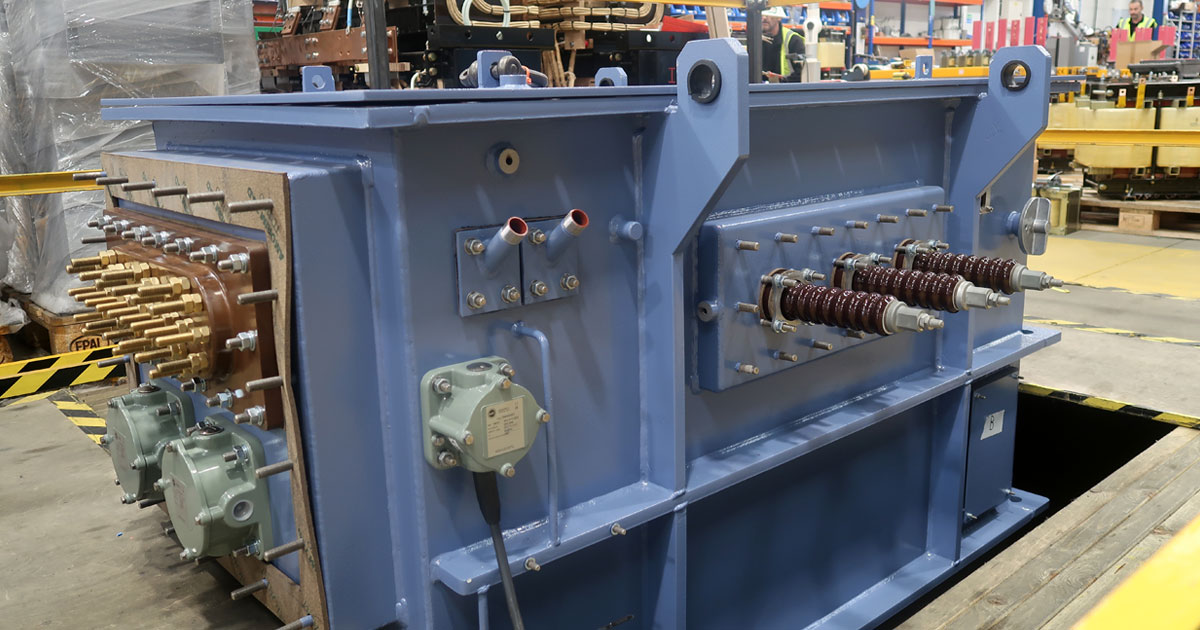
Working with a manufacturer supplying the oil and gas and drilling industry, Powerstar addressed their energy management issues: stabilising incoming voltage, reducing energy consumption and spend, while lowering carbon emissions significantly. The evaluation, which included voltage profile measurement and analysis of the site’s electrical characteristics, led to the replacement of their HV distribution transformer with a low-loss transformer incorporating electronic dynamic voltage optimisation. This new installation has resulted in 9.5% annual energy consumption reduction, which equates to 107,659 kWh saving and a reduction in carbon emissions of nearly 60 tonnes per year.
De-risking energy management and investment
Anyone already utilising CNC will know the level of investment this involves. And there are associated issues: there can be spindle problems; overheating – potentially due to several causes, and the downtime associated with each of these. For companies considering investing in CNC, the challenges are similar. But the global CNC market is showing significant growth, meaning that an increasing number of businesses must consider these issues.
Where CNC is already part of your manufacturing infrastructure, modern energy management technology can demonstrate immediate benefits. You may have existing, but outdated, transformers in place. Upgrading these to a modern amorphous core alternative – with integrated voltage optimisation – can help protect your operations against grid fluctuations, while also lowering your carbon emissions and reducing energy costs.
[1] https://www.globenewswire.com/en/news-release/2023/02/14/2608018/0/en/Computer-Numerical-Control-CNC-Machine-Market-Size-Worth-USD-140-78-Billion-Globally-by-2028-at-a-CAGR-of-7-1.html