

This year, in the UK we’ve seen record-breaking spring temperatures, and the second warmest June on record – only exceeded in 2023. Three of the hottest ten summers on record have occurred in the last decade. As heatwaves appear to be becoming normal across the UK, businesses need to consider the impact of potential power disruption. Here, we look at why heatwaves can cause power outages, and at what businesses can do – as part of a general approach to risk-management – to mitigate these interruptions to vital business operations.
A heatwave can cause multiple issues for the national electricity supply, but these can broadly be defined as stress on the grid: on infrastructure itself; on supply and demand, and on the grid’s capacity to manage these events. When electricity demand rises, it can trigger price spikes that impact profitability, compounding the risk of power disruptions and possible blackouts.
In a report from Ember[1], the June – July 2025 heatwave in Europe identifies some stark issues facing grid operators:
- increase in daily power demand up by 14%, leading to 2-3 times’ increase in daily power prices, and
- electricity prices exceeding €400 / MWh, as power demand peaks become more severe due to cooling needs.
Grid Issues – supply and demand
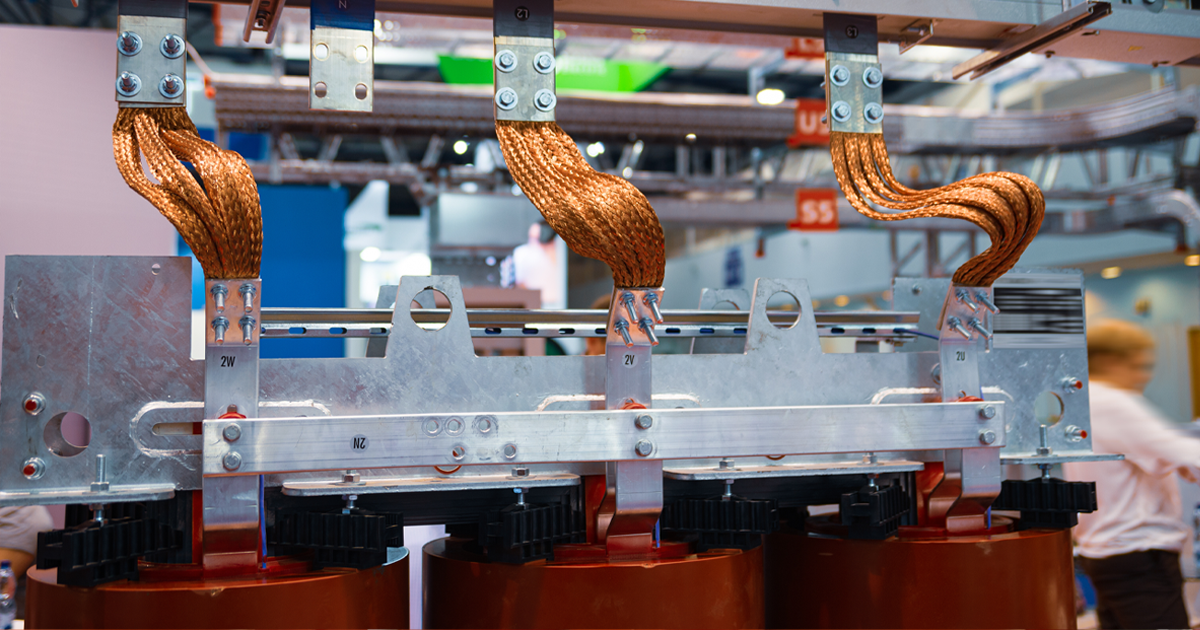
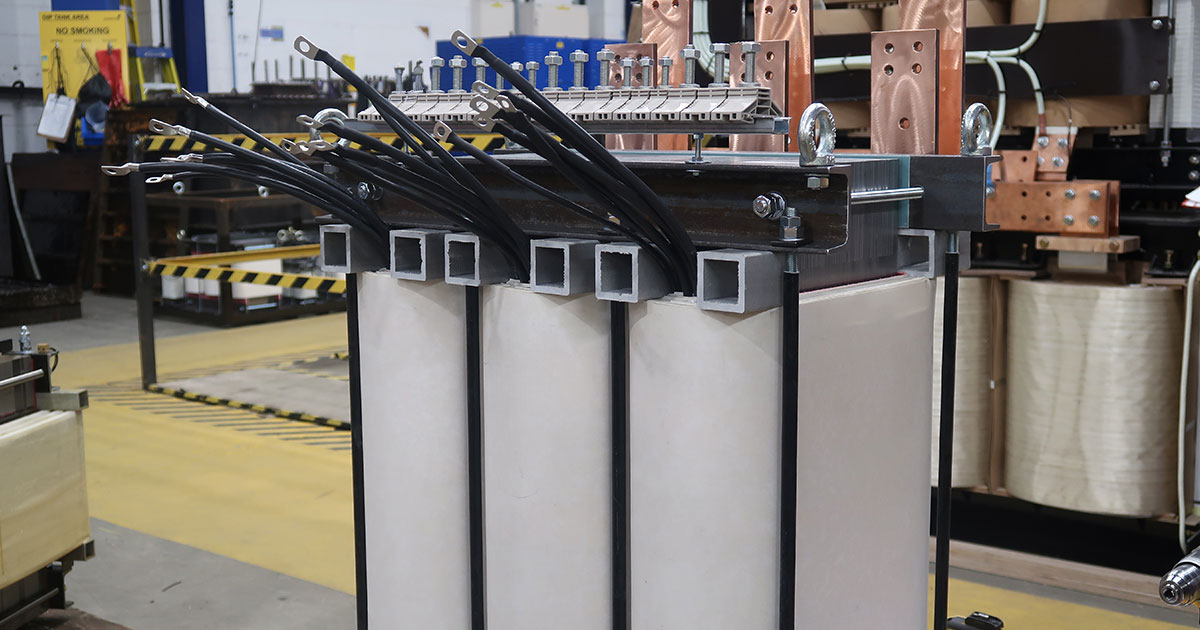
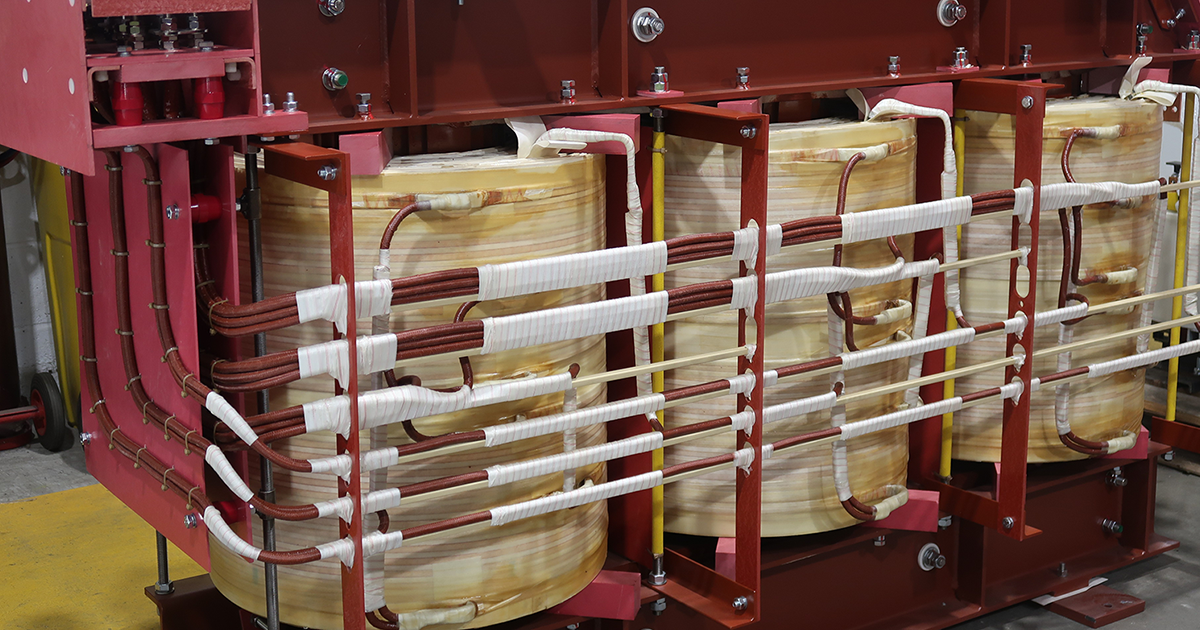
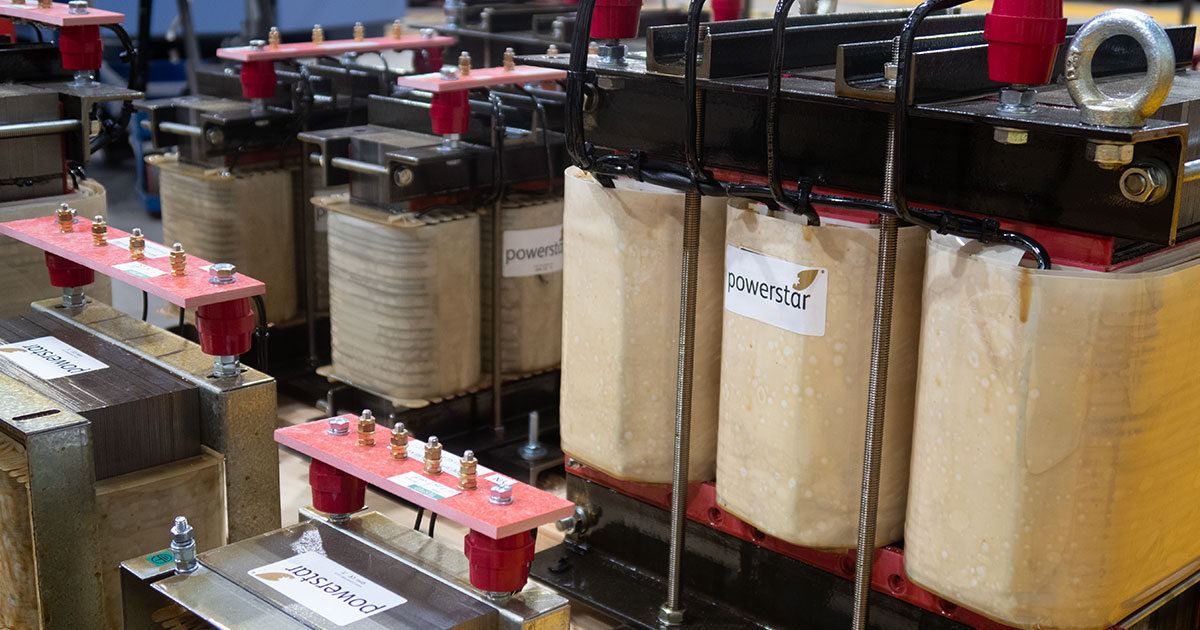
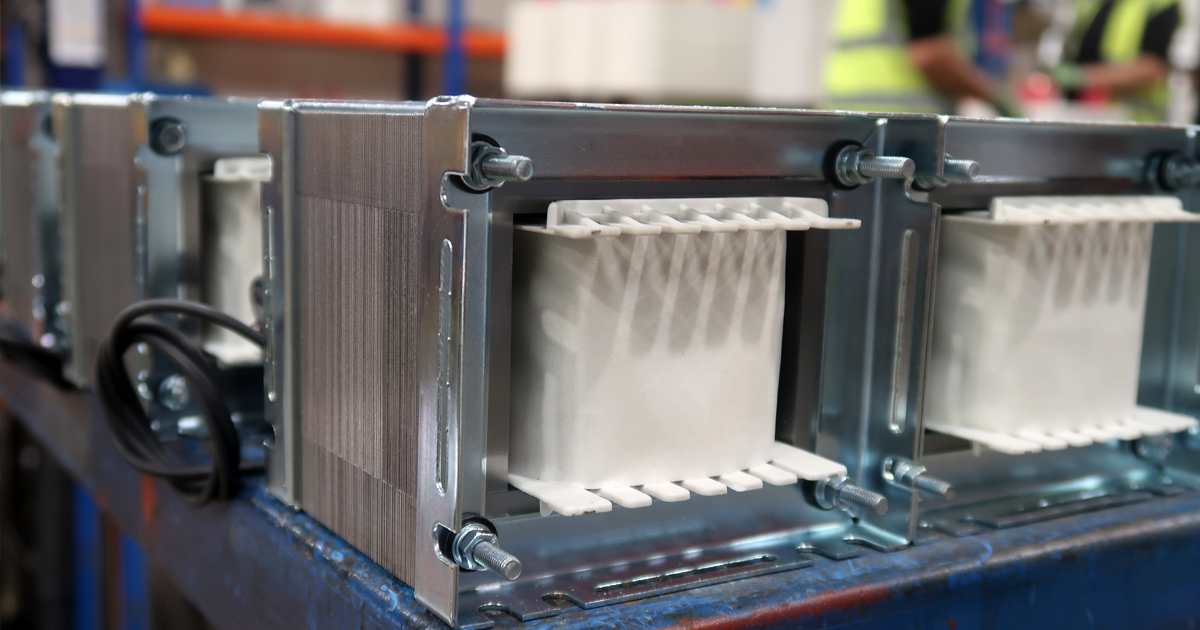
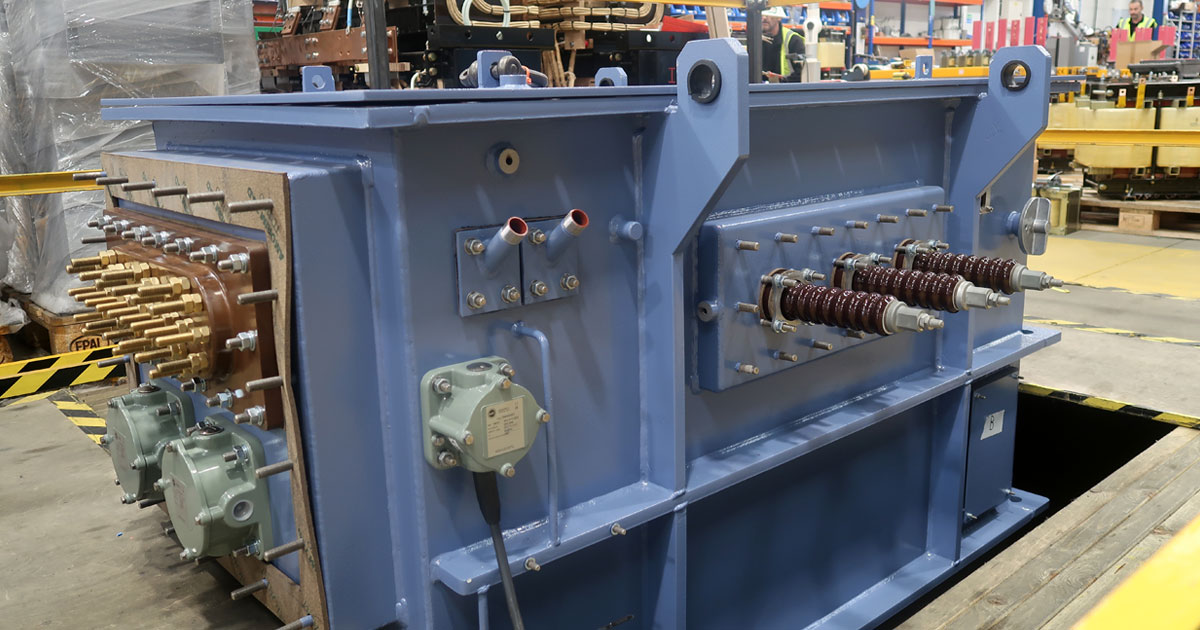
We have an ageing grid infrastructure, and extreme temperatures can cause expansion to overhead lines, preventing efficient heat dissipation and impacting tensile strength. Transmission lines and transformers, which rely on natural cooling, are at risk of overheating, increasing electrical resistance. In addition to being a fire risk, this is a potential point of supply failure.
For power generation, high temperatures can reduce both the efficiency and the capacity of gas and nuclear plants, as the IEA notes[2]. A heatwave can reduce the availability of water for cooling plants which, in turn, reduces energy output. And for wind power, a study in Nature[3] indicates that, while this is not inevitably the case for other geographical regions, for Europe “wind droughts” have occurred: lower wind speed and prolonged heatwaves can reduce wind power generation. As renewables make up an increasing percentage of the UK’s energy supply, the lack of wind power during a heatwave may become increasingly problematic.
Added to these supply issues is the level of general increase or spikes in demand. Research[4] indicates that for each degree over 20°C, our energy demand rises by approximately 350MW. This is compounded by the projected growth in domestic air conditioning, which the UK Energy Research Centre has estimated as increasing to approximately one third of households in England by 2050, increasing summer peak load by 7GW[5].
Impact on business – the costs of heat-related downtime and increased energy demand
The Office for National Statistics has estimated the impact of hot days on productivity in Britain – with initial, model-based estimates suggesting that hot days may have reduced productivity in 2020 by £5.3 billion, assuming that adaptation measures, e.g. air conditioning, were in place[6]. While this is not solely related to energy disruption – for example, it includes issues such as health and safety at work in high temperatures – it offers an indication of the costs of heatwaves to UK business, generally.
Where businesses are investing in these adaptation measures – in air conditioning and more sophisticated HVAC – this can impact heavily on energy costs. During heatwaves, HVAC systems must work harder and longer to maintain comfortable – and workable – indoor temperatures. This increased load directly equates to higher energy consumption, and higher operational costs. For many businesses, there is an added risk of equipment overheating, with further potential for disruption to operations and associated unplanned downtime.
With extra stresses from increased power demand on the grid – even just for a few days’ heatwave conditions – there is greater potential for power disruption. Given these grid supply issues associated with heatwaves, the economic impact of disruption to power supply for business is clear.

Building resilience into your summer energy strategy
While climate change undoubtedly presents challenges for UK business, the Ember report presents some positive statistics for solar energy available during the daytime: with June 2025 showing 45 TWh, at a 22% increase in just one year (June 2024 @ 37 TWh). And this is where energy storage plays a significant role: storing this renewable, on-site generated energy, for later use.
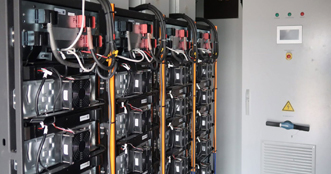
For many manufacturers – particularly those operating in energy-intensive sectors such as food manufacturing and the chemical industry – investing in Uninterruptible Power Supply (UPS) is business-critical, to ensure you can operate in the event of any disruption to power supply. A Battery Energy Storage System (BESS), when it incorporates UPS, provides this back-up for emergencies, but also provides the capability to make the most of on-site generated power – such as solar PV. During a heatwave, the BESS can store excess solar energy generated throughout the day and discharge it later – particularly during peak demand periods or in the evening when solar output drops. Read more about Powerstar’s BESS and UPS technology here.
When it comes to cooling systems, Voltage Optimisation (VO) helps by regulating incoming voltage to optimal levels, allowing equipment to operate more efficiently and with less unnecessary heat generation. By cutting energy waste, VO also makes on-site solar generation go further – reducing grid dependency and improving the financial return on your solar investment.
Make a plan for resilience
Ultimately, the best way to mitigate risk of power disruptions in a heatwave is to have the right energy management assets in place to deal with these issues on-site. Investing in battery storage is an excellent starting point, but there are additional initiatives and plans to consider:
- Diversify your energy sources: if you are investing in BESS, then it makes sense to maximise your asset by incorporating solar or wind generation on-site, to improve your own sustainability and to bolster your power resilience.
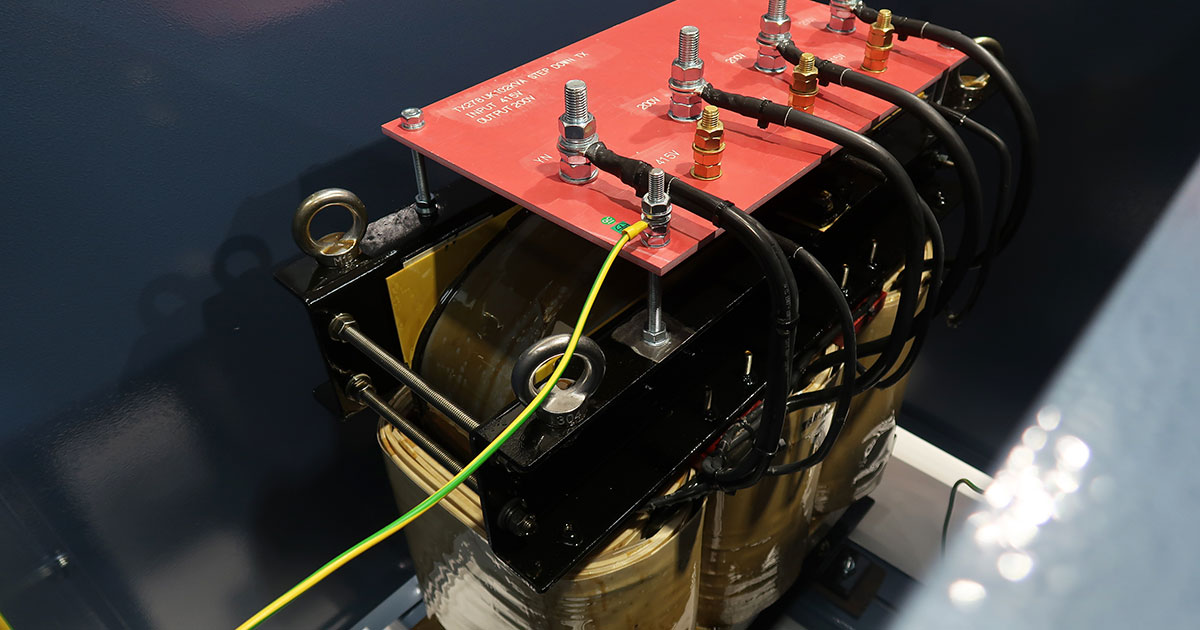
- Conduct regular maintenance on your existing energy management assets so that you can pinpoint any point of failure. If, for example, you have transformers that are beyond the average design lifespan of 20 years’, consider talking to us about reviewing their efficiency and, potentially, saving money and reducing emissions by replacing them – prior to any failure – with modern amorphous core alternatives.
- Aim to have real-time data available from all your energy assets: to ensure that everything is working at optimum efficiency; to mitigate downtime costs, and help you identify points of failure rapidly.
While recent outages – such as those in the London Underground, at Heathrow Airport, and the national blackout that affected the Iberian Peninsula – may have had a variety of causes, they all demonstrate the impact that grid energy disruption has, for businesses and for the public as a whole.
As our summers get hotter, and as heatwaves become more common, proactive energy management becomes ever more important to help de-risk business operations and ensure power resilience.
[1] https://ember-energy.org/latest-insights/heat-and-power-impacts-of-the-2025-heatwave-in-europe/
[2] https://www.iea.org/commentaries/the-world-s-electricity-systems-must-be-ready-to-counter-the-growing-climate-threat
[3] https://www.nature.com/articles/s43247-025-02239-8
[4] https://reports.electricinsights.co.uk/q2-2018/how-the-heat-wave-affects-electricity-demand/
[5] https://ukerc.ac.uk/publications/domestic-air-conditioning-in-2050/
[6] https://www.ons.gov.uk/methodology/methodologicalpublications/generalmethodology/onsworkingpaperseries/impactofhotdaysonproductivityingreatbritainmethodology