



There’s a renewed emphasis on Net Zero coming from the British retail sector in recent weeks. Here, we’re picking up from our recent white paper – where we focused on collaboration across the supply chain – and looking at why this matters for UK food and drink manufacturers, now more than ever.
Taking stock of retail
When British Retail Consortium (BRC) set a 2040 target for Net Zero in their 2020 Climate Change Roadmap, they were clear that collaboration would be crucial for transformational change across a sector with such complex varied stakeholder relationships. Last December, BRC reaffirmed commitment to this target – with an even stronger emphasis on collaboration – through UK Retail’s Road to Net Zero, charting progress over the last five years and pinpointing the major challenges up to 2030[1].
The BRC’s immediate priorities – and their relevance to food and drink manufacturers – are clear. They recognise retailers’ commitment to decarbonisation and the sector’s operational wins – the impact that businesses have had in reducing Scope 1 and Scope 2 emissions (those within a company’s control, either produced directly by them or indirectly through energy purchase or use). However, BRC point to a systemic and urgent need to address Scope 3 emissions – those outside a business’ direct control but created through the value chain. They acknowledge this is a significant challenge,
“Over 93% of retail emissions fall outside of store walls, in scope 3 categories within global supply chains and consumer homes. Progress depends on influencing suppliers, logistics partners, and consumer behaviour. This complexity makes collaboration across the value chain critical.”[2]
The challenge for food and the demand for data
While Scope 3 emissions for the retail sector as a whole are high, they’re especially challenging in the food sub-sector. Analysing 2024 emissions, BRC estimate that food retail accounts for 61% of retail’s Scope 3 total[3]. Hence the introduction of a new methodology for 2026 with a bottom-up rather than a top-down approach, using company-level data from retail businesses.
As the data sample size grows, this new methodology offers a more accurate measurement of real activity across the sector. A concerted emphasis on disclosure is imperative for this new methodology to track and address Scope 3 emissions. Where data to inform the new approach comes from companies’ disclosures, from public reports, the sector will have greater insight into trends, and to what actions should be targeted, to facilitate progress towards the endgame: 2040 Net Zero.
For food and drink manufacturers, transparency will be key. BRC state the need for ‘radical collaboration’, with a defining role for retailer–supplier relationships,
“Driving decarbonisation at source – reduce emissions in production and logistics, disclose accurate data, and collaborate with retailers on innovating processes, scaling sustainable practices, and enabling transparency across the value chain.”[4]
And, looking at the barriers to decarbonisation, BRC’s action plan reiterates supplier engagement, again placing collaboration at the core, while incentivising and rewarding those businesses that demonstrate their own commitment,
“Define a clear industry framework tied to emission reduction milestones, offering tangible benefits (e.g. preferred supplier status, longer contracts, co-marketing) to motivate suppliers to participate.”[5]
For manufacturers, this bottom-up methodology will have a major impact. From this year onwards, retail customers will be more dependent on their suppliers’ actions to enable them to honour their own commitments and to avoid reputational damage. As the Science Based Targets initiative (SBTi) looks set to release its first update on the Corporate Net Zero Standard since its introduction in 2021, Science Based Targets are becoming a clear focus for supermarkets and the mechanism whereby they measure and publish Net Zero progress. Those manufacturers who demonstrate an appetite for engaging with retail customers on decarbonisation – who can evidence a will to collaborate – will have a significant advantage for immediate- and longer-term commercial gain.
Where are the supermarkets focused?
In our recent food and drink white paper we looked at the Big Four and their sustainability commitments. Together with other major supermarket groups, these have clear and stated targets specific to Scope 3 and the supply chain – some with 2026 milestones and commitment to the SBTi Standard.
Sainsbury’s – 2025/26 aim for key suppliers who account for 80% of Scope 3 emissions to have approved 1.5ºC Net Zero Science Based Targets.
Lidl GB – working to ensure that, by 2026, the suppliers representing 75% of product-related emissions have their own targets aligned to the Science Based Targets initiative (SBTi).
Morrisons – updating their 2035 Net Zero ambition, which included a commitment to achieve Net Zero across its own operations (Scope 1 and 2) by 2035, Morrisons have recently aligned themselves with the SBTi Corporate Net Zero Standard, now including Scope 3 emissions.
Tesco – taking specific steps to address Scope 3,
“Engaging our suppliers to better support our net zero commitment, by requesting that they disclose carbon data via Manufacture 2030 and set net zero ambitions for their business…”[6]
ASDA – taking action to drive reductions in Scope 3 emissions, improving the quality of accounting, ad collaborating with industry partners. Incentivising action across the supply chain, ranging from “open conversations and shared learning to policy alignment and contractual commitments, and even long term partnerships and collaborative innovation.”[7]
Co-op – having met targets set in conjunction with SBTi for 2025 early, Co-op have set new targets, validated against the SBTi Net Zero Standard:
- Near-term energy / industrial target: reduce absolute Scope 3 emissions by 58.8% by 2030
- Long-term energy / industrial target: reduce Scope 3 emissions by 90% by 2040
- “… placing retailer and supplier collaboration and people at the heart of our plan.”[8]
John Lewis Partnership – where the Partnership’s Scope 3 comprise 98% of total emissions, they say,
“Decoupling emissions from sales by capturing improvements in the supply chain will be key to achieving our goals.”[9]
Scope 3 – key takeaway for food manufacturers
While reducing Scope 3 emissions is retail’s biggest Net Zero challenge, there is good news for manufacturers in the supply chain. Actions taken to address your Scope 1 and 2 emissions – those created directly, or indirectly, by your own business – impact your customers’ Scope 3 emissions. And the benefits of demonstrating such a commitment to collaboration are manifest.
While there are various areas where operational changes can have significant impact, modern energy management can offer manufacturers an immediate win: greater efficiency, often leading to lower energy costs, with reduced carbon emissions. At Powerstar, our suite of complementary energy management technologies are helping customers across the supply chain to achieve their mutual Net Zero ambitions:
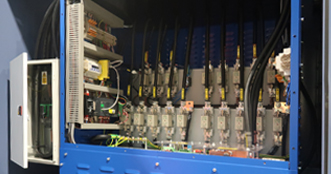
Voltage Optimisation (VO) – to optimise energy usage and avoid unnecessary energy consumption, with real-time online monitoring to provide the data you need.
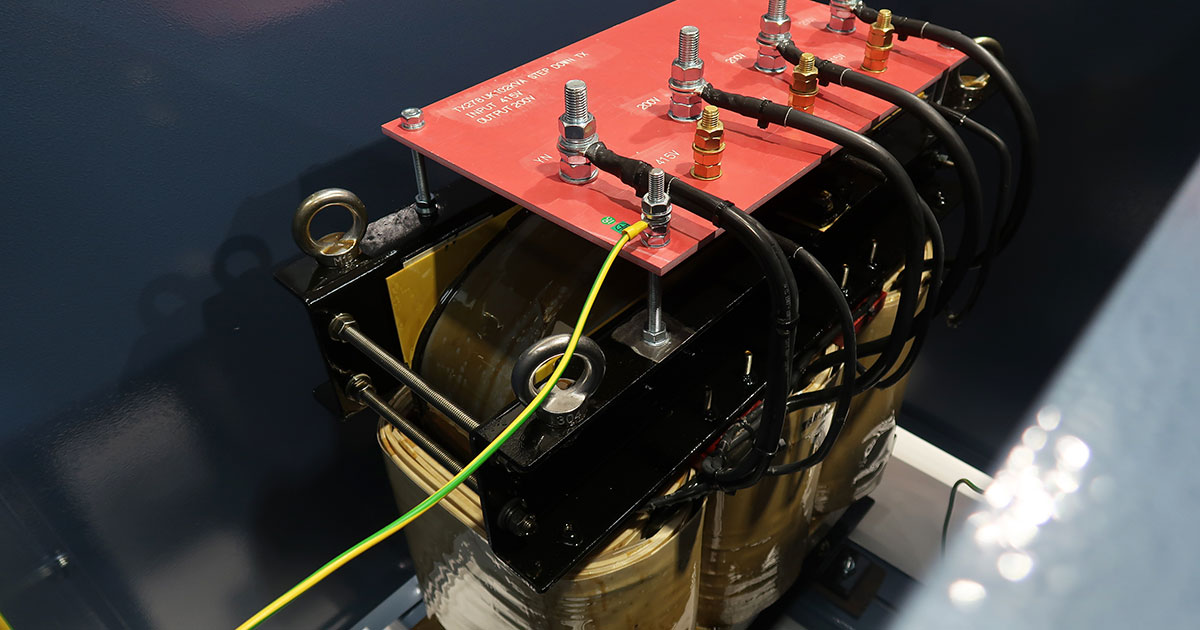
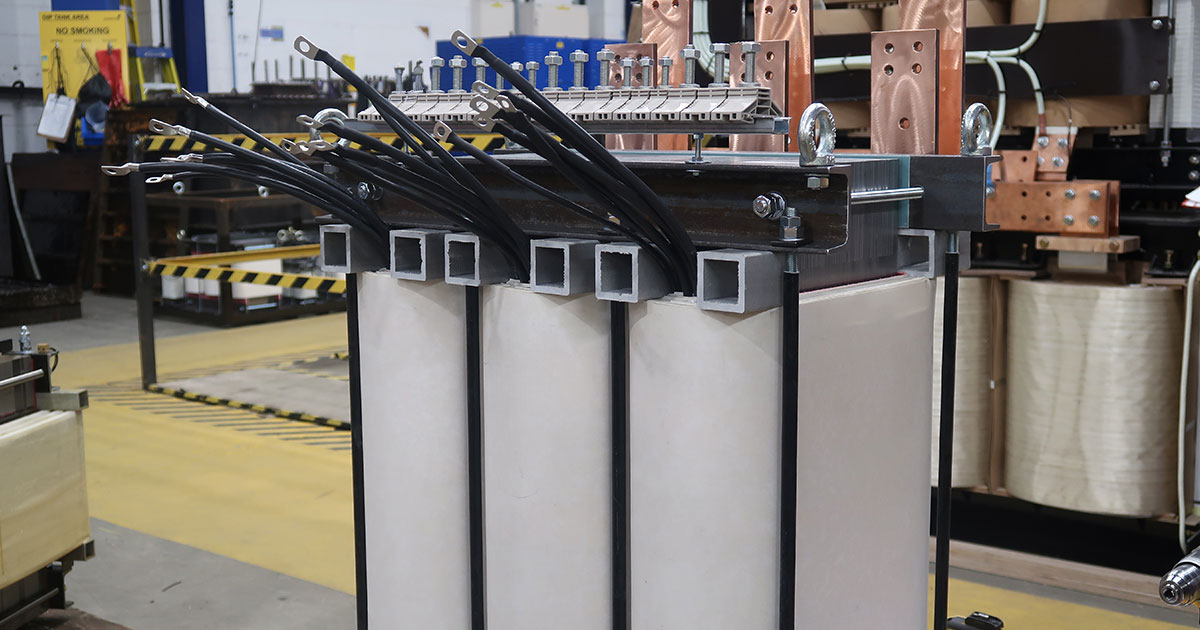
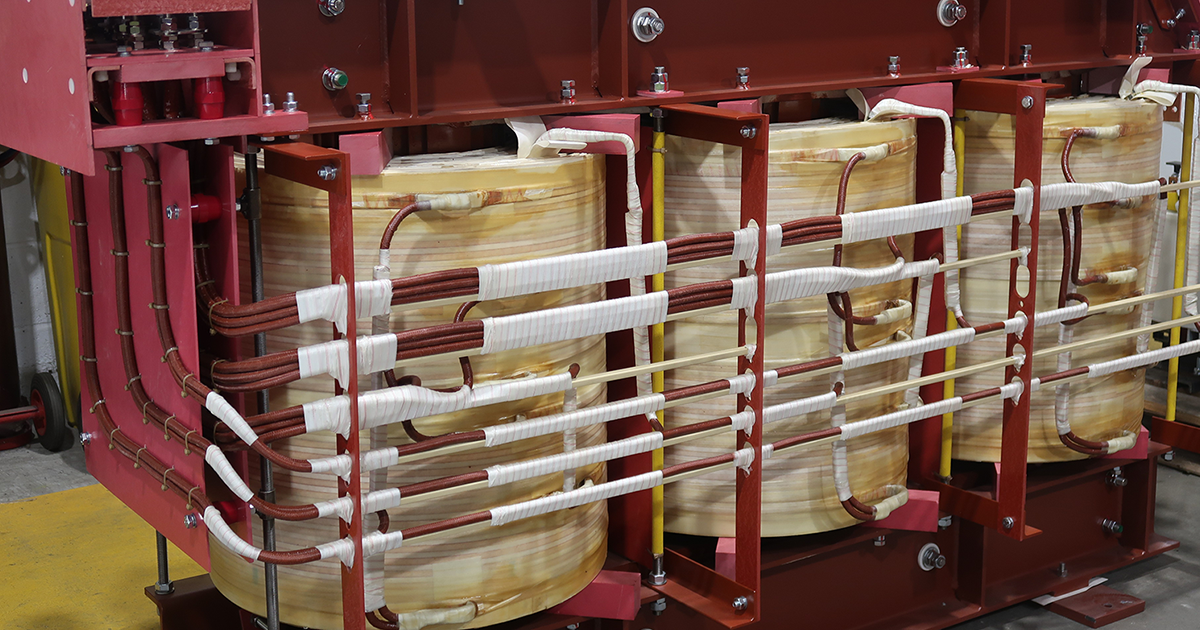
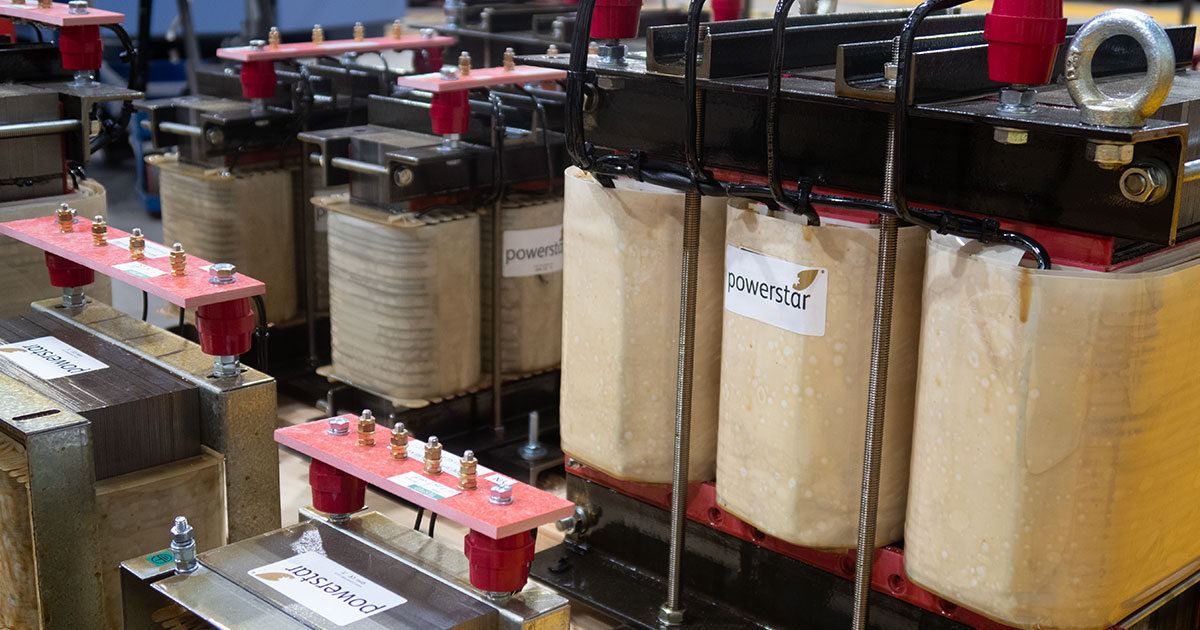
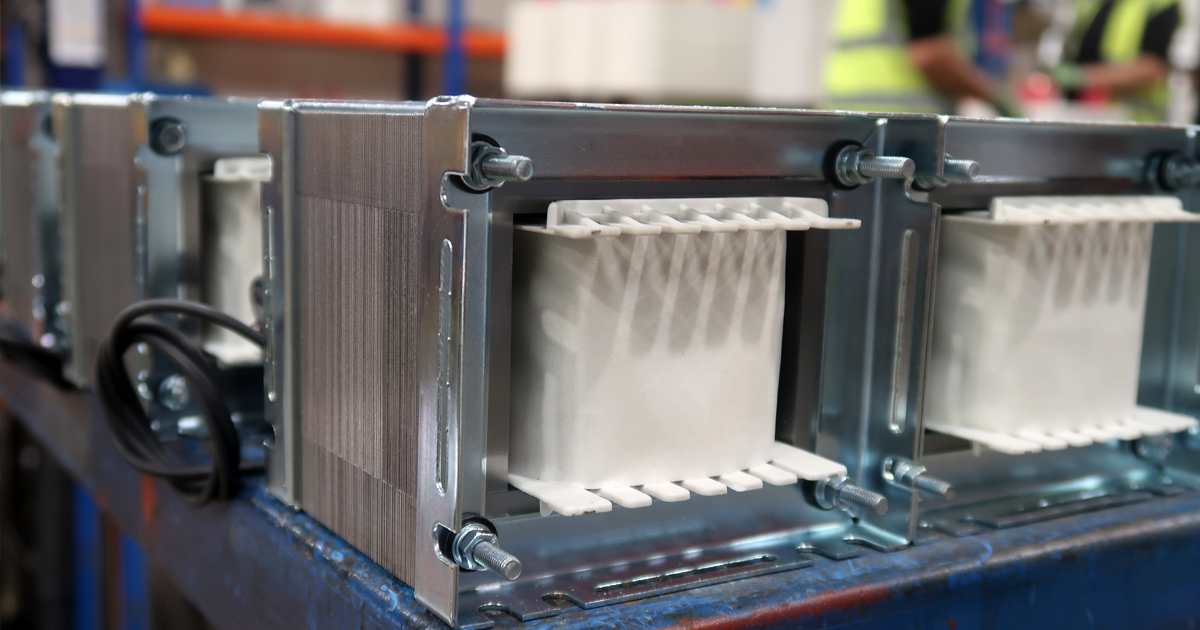
Low-loss Transformers – where replacement of outdated units with modern amorphous core alternatives can reduce energy consumption, impacting your Scope 2 emissions – and benefitting your customers’ Scope 3 ambitions.
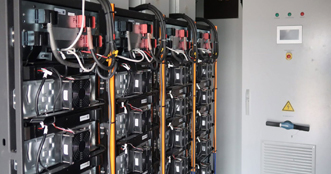
Battery Energy Storage (BESS) – for greater power resilience and improved energy management. Optimise ROI on on-site renewables and reduce energy spend through flexible storage and use of grid supply, taking advantage of peak and lower-cost energy prices.
Understanding your customer – why Powerstar?
As a Professional Affiliate member of the Food & Drink Federation, we talk to, learn from, and support manufacturers across the sector. And we work with some of the biggest names in retail. We know your customers and what drives their energy management requirements and ESG strategies. We’re helping several major supermarket groups work towards their Net Zero targets.
For one of the UK’s best-known premium food and clothing retailers, we have installed more than 200 VO systems across multiple locations, each with its own specific energy profile. As a tailored, yet scalable, energy solution, our solutions and collaboration with the Group is delivering the energy consumption reductions that support their sustainability imperatives while also stabilising voltage for reduced wear and tear on electrical equipment and achieving an average 6.5% energy saving across the estate.
For the Co-operative Group, we had a similar challenge: a diverse estate requiring custom-designed VO units for each site’s electrical profile. As well as reflecting and supporting their own renowned focus on sustainability, we were able to offer the Co-operative guaranteed energy savings. For one store, our VO installation is saving an average of 5% in energy consumption.
More information?
For a deeper dive into the issues facing food and drink, read our recent white paper, where we take a closer look at collaboration as a critical aspect of the manufacturer – retailer relationship, whereby both can survive and thrive on the Net Zero journey..
[1] https://brc.org.uk/media/ycsfivye/uk-retails-road-to-net-zero-report.pdf
[2] Ibid. p.4
[3] Ibid p.14
[4] Ibid p.40
[5] Ibid p.42
[6] https://www.tescoplc.com/climate-change-factsheet-2024
[7] https://corporate.asda.com/indirect-emissions
[8] https://www.coop.co.uk/climate
[9] https://www.johnlewispartnership.co.uk/ethics-sustainability/environment/climate-action/scope-3-progress