



Looking to the energy-specific elements of the 2025 budget, we focus on the implications of energy policy and support schemes that directly impact manufacturers. In this blog, we consider the manufacturing sectors given clear support, and the practical solutions those left struggling can implement to take greater control of their energy issues, today.
Everything rests on the Modern Industrial Strategy
We were all bracing ourselves for the budget, with few really expecting good news. Despite the preamble – not to mention the last-minute leakage – there was a degree of policy clarity for some UK manufacturers, but continued lack of clear support and ongoing confusion for others.
Whether this was a positive statement very much depends on where you sit, in terms of the Industrial Strategy. The Chancellor made clear in her statement the pivotal importance that government places on this Strategy in driving both net zero and UK economic policy,
“Delivering more secure, clean and cheaper energy is central to sustainable economic growth over the long term and the modern Industrial Strategy is committed to capturing the opportunities, jobs and investment that the transition to clean power and net zero presents, doubling down on the UK’s strengths and removing barriers to investment.”[1]
There are clear limitations as to how the Industrial Strategy, and related energy efficiency policies, will benefit UK manufacturing, beyond the sectors categorised as ‘energy-intensive’, the IS-8 sectors: Advanced Manufacturing; Clean Energy; Creative Industries; Defence; Digital and Technologies; Financial Services; Life Sciences, and Professional and Business Services.
Industry responses
Representing British manufacturing, it was Make UK who considered the budget, overall, as “two steps forward, one step back”, with their Chief Executive, Stephen Phipson CBE, noting that movement on consultation around business energy support is critical, to address “eye-watering and uncompetitive industrial energy prices”[2].
Prior to the budget announcement, Make UK had described British industrial electricity prices as an ‘existential threat’ to the short-term survival of many companies, and expressed dismay at the lack of progress on The British Industrial Competitiveness Scheme (BICS)[3]. In their response to the budget, CBI highlighted what was conspicuously absent,
“Tackling the high cost of electricity for business in the most glaring omission of this budget. This continues to hold back business investment and disincentivises their transition to electrification. A targeted electricity discount scheme had been expected to reward industrial electricity users that switched to more efficient electrical heating sources, and was a key ask of the CBI. Instead, the budget reaffirmed two previous announcements: consultation on the British Industrial Competitiveness Scheme (BICS), intended to reduce electricity prices for around 7,000 businesses from 2027, and an uplift of the Network Charging Compensation Scheme for around 550 of the UK’s most energy intensive businesses.”[4]
British Industry Supercharger and Network Charging Compensation Scheme
In the budget, the Chancellor reiterated government support for energy-intensive industries (EIIs), such as steel, glass, cement and chemicals manufacturers who hold a valid EII certificate, through the British Industry Supercharger – supporting eligible businesses through exemption from renewable energy levies. And further support comes through confirmation of the uplift to the Network Charging Compensation Scheme (NCC) – from 60% to 90% – for eligible businesses, from April 2026.
Confirmation and extension of this support signals positive gains for eligible companies, narrowing the gap between UK and EU electricity costs to help with the aim of preventing large energy-intensive companies from moving operations overseas to remain competitive, but it still only benefits around 550 UK businesses. And, the Department of Business & Trade (DBT) consultation outcome on this uplift, notes concerns around funding – the extent to which ineligible businesses may be affected – and the potential for higher costs for these customers[5]. The wording in the consultation outcome doesn’t seem to provide a great deal of clarity. Costs of the NCC Scheme are covered by the EII Support Levy (ESL), and the DBT response on this question of impact on ineligible companies as follows,
“The government recognises that licenced electricity suppliers employ a number of different strategies to recover the costs from their customer base. As before, the government does not prescribe how suppliers recover these costs from their customers.” [6]
Given that some (between 30 – 50%) of those stakeholders consulted called for widening of eligibility of the NCC Scheme, beyond the sectors and businesses already covered, the budget confirmation of the British Industrial Competitiveness Scheme (BICS) is critical in its implications for UK manufacturers. But is this still ‘two steps forward, one step back’?
British Industry Competitiveness Scheme
As with the support for EIIs outlined above, the British Industry Competitiveness Scheme (BICS) was hardly a new announcement in the budget. However, it did confirm the consultation period for BICS, launched at the CBI’s annual conference three days earlier, and closing 19th January 2026. BICS will see electricity prices cut by £35-40/MWh, or up to 25% for more than 7,000 UK companies, from April 2027. This will be achieved largely through exemptions from the indirect costs of Renewables Obligations, Feed-in Tariffs, and Capacity Market.
However, while BICS’ eligibility is broader than the strict EII categories, it remains narrow in scope, covering the IS-8 sectors, plus qualifying foundational industries – but companies falling within this foundational scope must also meet required electricity-intensity threshold, to be determined by the consultation. With a delay of four months since the scheme’s announcement to its launch, and with clarity on eligibility only going to come in the months after consultation closes, this leaves British manufacturers uncertain as to planning for months to come – and over the winter, where energy usage is often at its peak.
When eligibility criteria are determined, the scheme is still a short-term answer – running until 2035 with a review in 2030 – to manufacturers’ capacity to plan for longer-term investment. And, as with the concerns as to who pays for the NCC uplift, noted earlier, clarification as to how BICS is to be funded is yet to come. For manufacturers – and particularly for SMEs – who fall outside eligibility, the knock-on effect of government support for identified growth sectors could be severe. Hence, Make UK have called for changes to the scheme, specifically: bringing it forward from 2027; expanding eligibility to all manufacturers, and backdating related payments to June 2025. As Make UK’s CEO, Stephen Phipson CBE stated,
“This is a welcome announcement which begins the process of tackling the most pressing issue British manufacturers have been facing for years. For the scheme to make a real difference, Government must move swiftly to implement and fund it but, most critically, widen its scope to ensure that support reaches the broadest expanse of manufacturing companies as fast as possible.
“This is essential if we are to remove the disparity in energy prices that UK companies are currently facing and, boost their competitive position.”[7]
What should manufacturers do now?
The answers to this depend heavily on your business’ SIC code – whether you fit into the initial eligibility criteria for any of the schemes highlighted in the Autumn budget. The confirmation and extension of existing support does, potentially, offer the certainty that companies already in receipt of such support need to plan medium-term investment or expansion.
Anticipated reduced electricity costs from 2026 or 2027 may offset investment in energy efficiency initiatives implemented in the short-term, making this a good time to invest in your energy management infrastructure for both medium- and longer-term efficiencies and cost savings.
For companies falling outside existing support or the likely remit of BICS (dependent on the outcome of the consultation), energy efficiency is more critical than ever. Risk mitigation actioned now can reap benefits both for immediate reduction in energy costs, as well as medium-term alleviation of potential energy price increases should the cost of relief for priority sectors fall on excluded sectors/businesses.
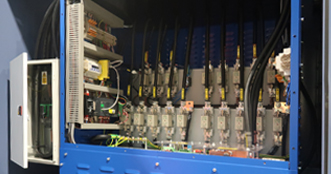
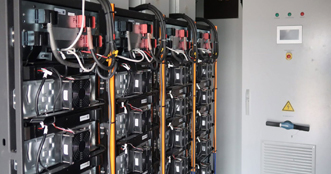
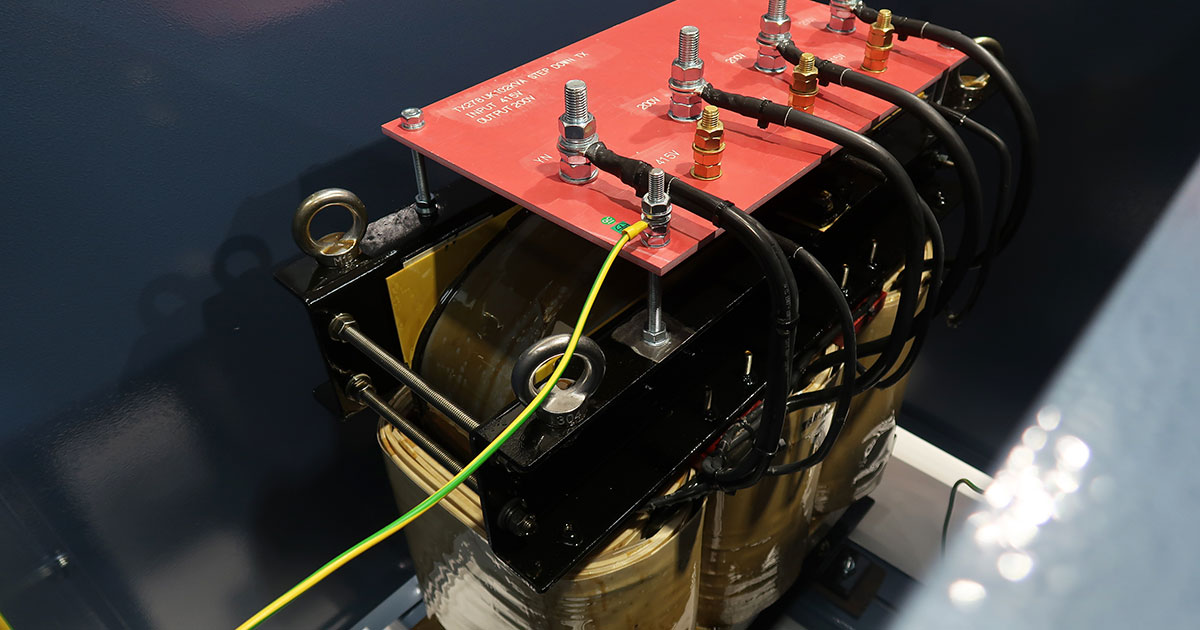
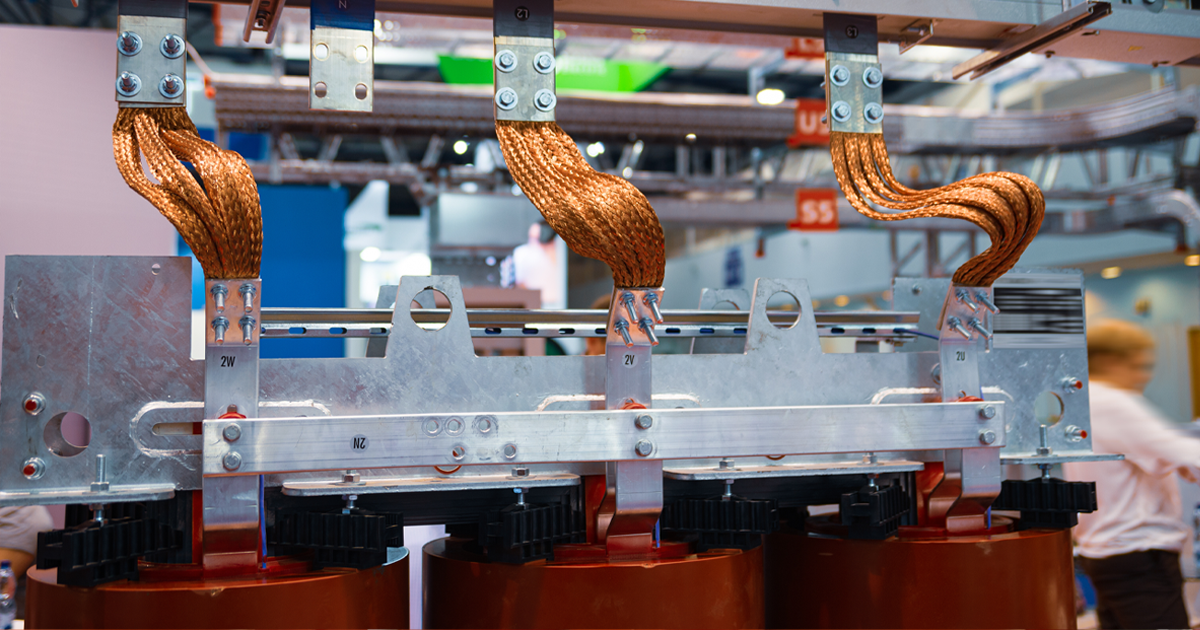
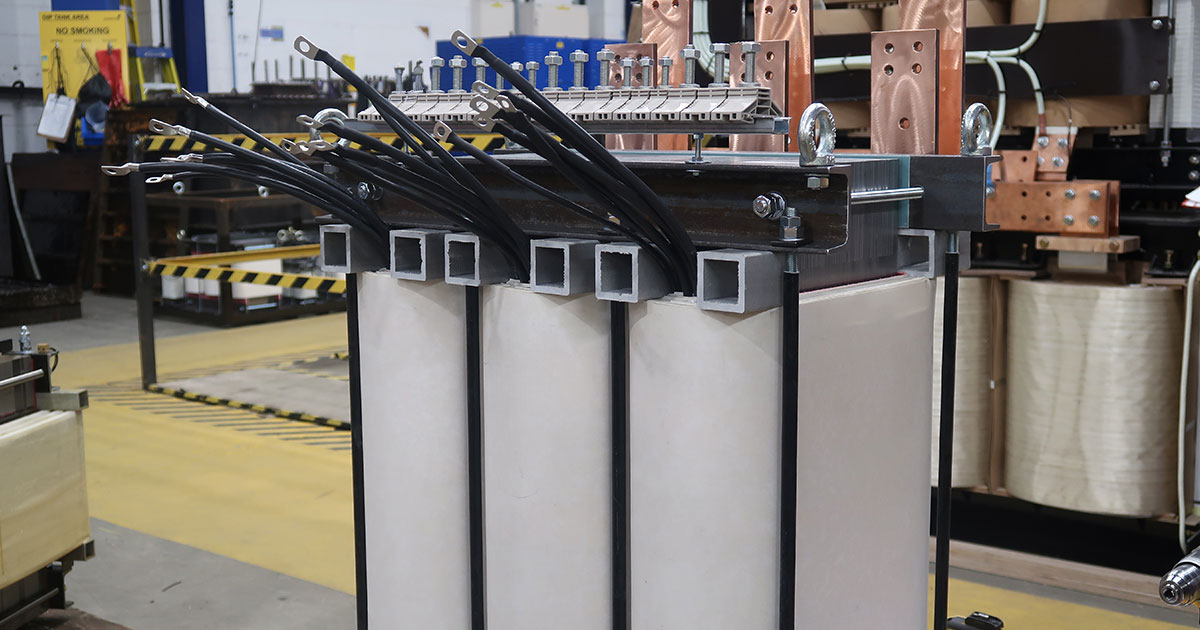
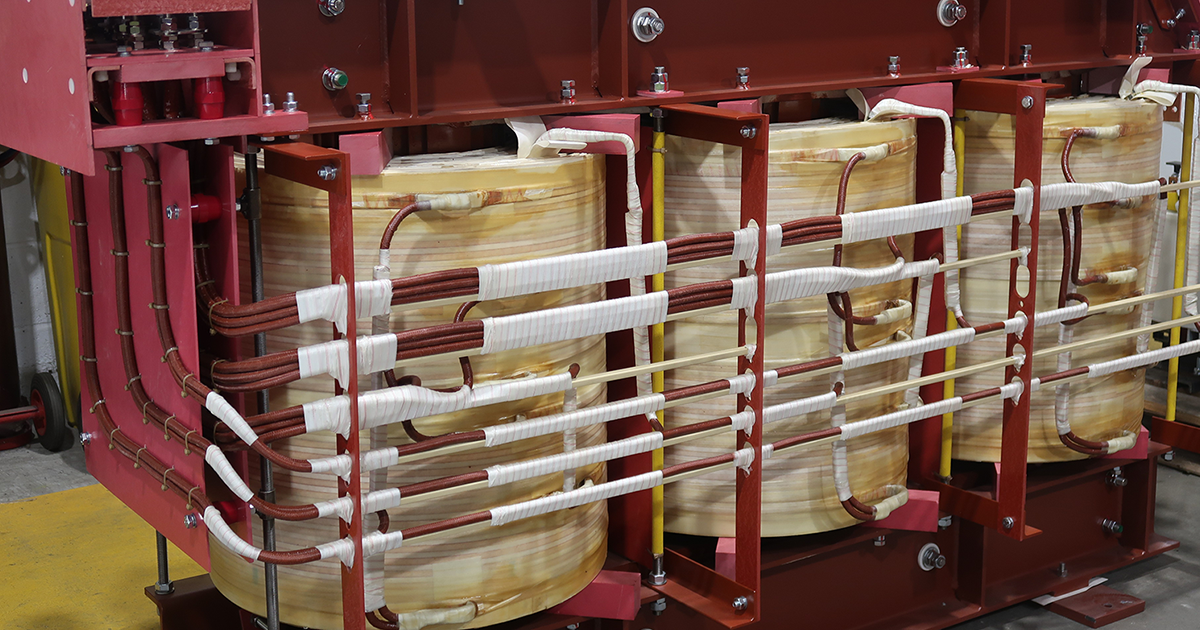
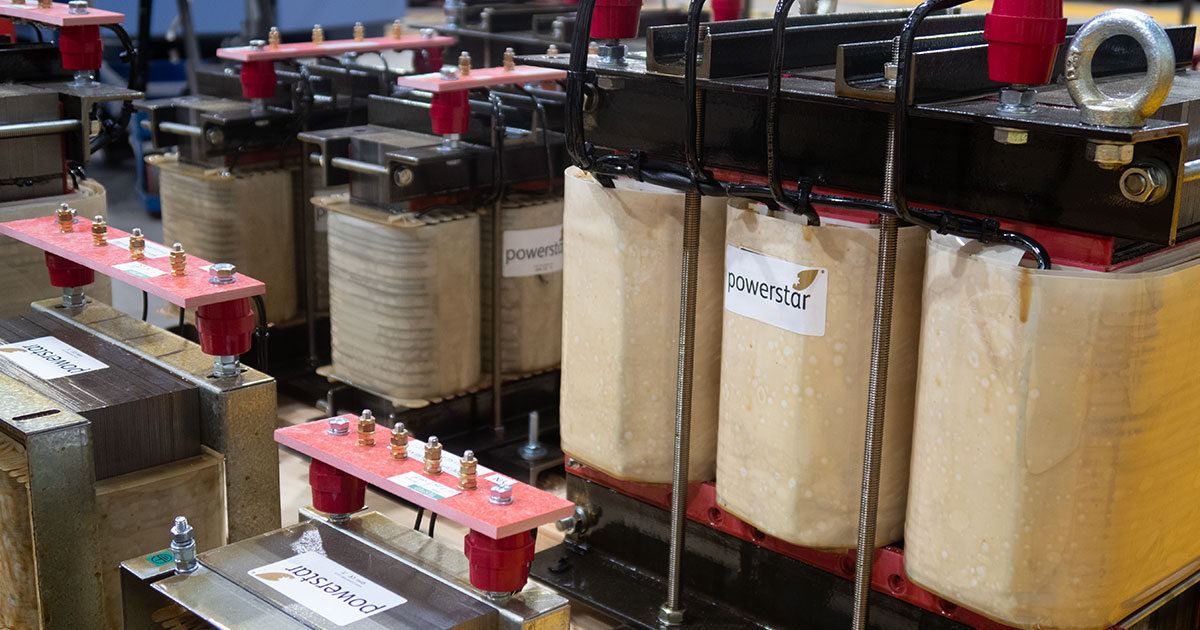
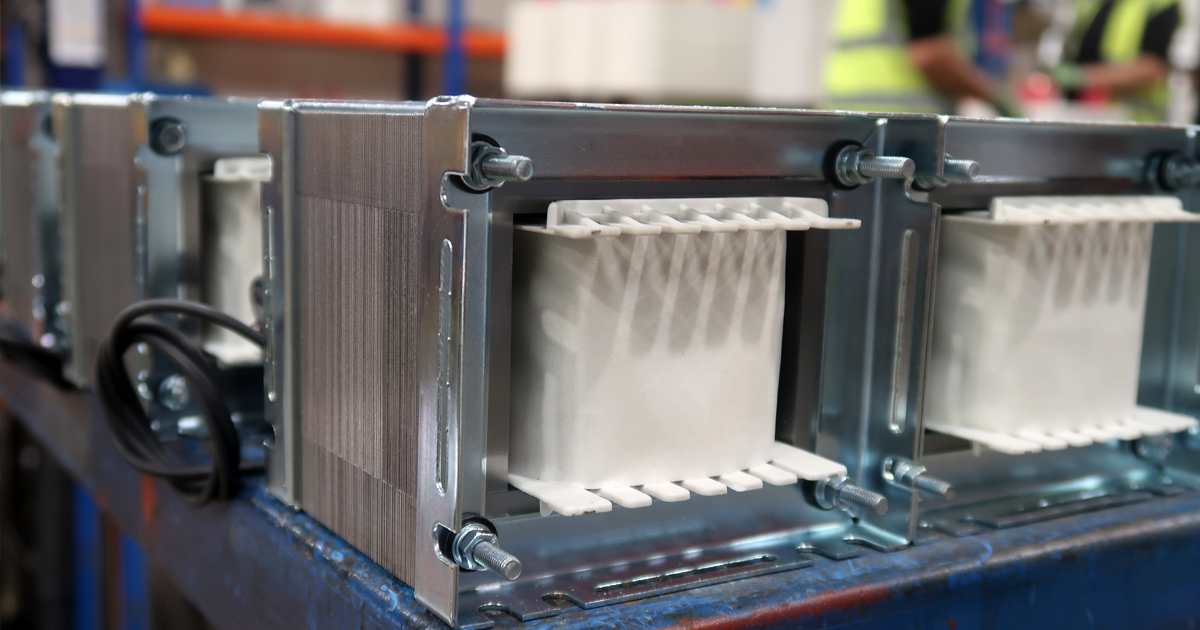
Across the manufacturing sector, 2030 is a pivotal date: for Clean Power and the need to accelerate progress on Net Zero and, for eligible manufacturers, as the planned review point for BICS support. Investing in modern energy management solutions – such as voltage optimisation, modern transformer technologies, and battery energy storage – can prove a valuable investment to help futureproof your business, whether the implications of the Autumn budget are positive or not.
Powerstar have been supporting British manufacturers for nearly 25 years with modern energy management technologies. As a proud UK manufacturer ourselves, we understand the issues facing businesses large and small, and work with clients to find the best solution for each and every project.
[1] https://www.gov.uk/government/publications/budget-2025-document/budget-2025-html
[2] https://www.makeuk.org/news-and-events/news/autumn-budget-2025-make-uk-reaction
[3] https://www.makeuk.org/news-and-events/news/make-uk-warns-autumn-budget-business-tax-rises-risk-de-industrialisation
[4] https://www.cbi.org.uk/articles/autumn-budget-2025/
[5] https://www.gov.uk/government/consultations/network-charging-compensation-scheme-uplift-for-energy-intensive-industries/outcome/proposed-uplift-to-the-network-charging-compensation-scheme-for-energy-intensive-industries-eiis-government-consultation-response#:~:text=Since%201%20April%202024%2C%20eligible,for%2060%25%20of%20these%20costs
[6] Ibid.
[7] https://www.makeuk.org/news-and-events/news/consultation-british-industrial-competitiveness-scheme-launches