



Good news doesn’t usually make great headlines. Where household names miss sustainability targets, this becomes the public narrative. But it’s far from the full picture. Now that corporates are actually doubling down on climate action, the supply chain is even more critical. How can improved energy management – such as Voltage Optimisation – help SMEs strengthen their supplier relationships and reduce energy spend?
We’ve helped customers improve their energy efficiency while lowering their carbon footprint:
Wernick Group:
- 9% – energy cost savings
- 19 tonnes p.a. CO2 emissions savings
MI Dickson:
- 13% reduction in energy consumption
- 8,000 kWh energy consumption saving
- 58.2 kWh – 13% – energy saving per tonne of product
FTSE 100 – where climate targets count
There might seem to be differing priorities between the UK’s largest companies and the SMEs who make up the bulk of British business, but action on climate change unites both. While there may be different agendas driving each group’s priorities and rationales for action, recent research indicates that corporates are setting new and bolder sustainability targets [1].
Assessing half of the largest FTSE 100, this research found that only one tenth of companies have postponed, lowered, or removed their sustainability targets. In fact, a third of companies at this size changed interim climate targets in 2025 (targets for late 2020s to mid-2030s). And the research indicates that these FTSE 100 businesses are setting more ambitious, or more specific, climate targets, acting on ESG and stakeholder requirements to maintain and enhance corporate reputation.
Alongside reputation demands, is the ‘live financial issue’ that companies face, globally,
“Many organisations can now identify their climate risks but far fewer are structurally able to absorb them. In 2026, the benchmark will shift from how comprehensively companies describe climate risk to how credibly they embed scenario-led analysis into decisions on strategy, capital allocation and portfolio design.” [2]
This refreshed commitment to sustainability is led in no small part by the greater availability of data: to ascertain current position; to set realistic but ambitious targets, and – critically – to measure progress and re-calibrate targets as needed. The focus, moving forwards from headlines where negative stories generate mainstream media coverage, is now on Standards and on delivery – and on cutting through the confusion.
Standards and Science-Based Targets – why 2026 is a critical year for business commitment
Forthcoming ISO Standard:
Currently, the International Organisation for Standardisation (ISO) is finalising what will be the first internationally recognised, independently verifiable, Net Zero Standard. This new Standard, ISO/CD 14060, is underpinned by ISO’s own pedigree – the organisation’s credibility and technical focus – with a common definition for Net Zero, a process for measuring progress, and mechanisms to establish how results can be verified by accredited third parties.
Negotiations related to, and consensus driving, the establishment of the Standard comes from international experts from more than 170 government-recognised National Standards Bodies across ISO’s membership base – from regulatory bodies, academia, the private sector, and the wider society. And, importantly for workability of the Standard, it will incorporate an annex specific to SMEs, to ensure proportionality.
Science Based Targets – Corporate Net Zero Version 2:
The SBTi is developing Version 2 of its Corporate Net Zero Standard [3]. As with the ISO Standard, this SBTi V2 is being designed in a collaborative manner, with feedback from businesses and expert working groups – including Scope 2 and Scope 3 Groups. It is intended to have a science-based, practical focus, and publication is intended to allow for businesses to set targets in 2026.
With three overarching themes (reinforcing ambition, enhanced clarity on purpose and scope, and a cyclical validation system), the SBTi Corporate Net Zero Standard V2 incorporates key technical updates, one of which looks set to reward those businesses taking a proactive approach to supply chain decarbonisation,
“Progressive responsibility for ongoing emissions… the updated draft introduces a new recognition mechanism to incentivize companies that take early, voluntary action to address their ongoing emissions through removals, with all Category A companies – i.e. large companies and medium-sized companies in high-income countries – expected to take progressive responsibility for their ongoing emissions from 2035.” [4]
Robust data: why it matters – for FTSE 100 and for SMEs
Data quality is critical but has proved a thorny issue, especially with voluntary and uncertain, or ad hoc, climate-related reporting regimes. The ISO Standard and SBTi Corporate Net Zero Standard V2 both looks set to change this. Where investors require transparency – across Scope 3 as well as direct emission reporting – there are regulatory demands: Corporate Sustainability Reporting Directive (CSRD) across Europe, as well as the Streamlined Energy and Carbon reporting (SECR) within the UK. And ISO and SBTi seem to be driving the agenda to make this more feasible in 2026.
For FTSE 100 and larger companies, generally, the forthcoming ISO Standard offers the promise of clarity – and parity: taking regional politics out of the global equation; focusing on scientifically-backed data measurement, with comparable and audited emissions data. Building a business case for capital investment based on climate engagement and measurement on progress, these are Net Zero targets that can help manage climate risks, while driving the investment necessary in an increasingly electrified world.
Science-Based Targets require accurate baseline data, while green finance options require third-party accreditation that is verifiable and credible. For Scope 3, this is notoriously problematic. But, again, there is better news hidden behind the headlines. A 2023 GHG Protocol Report indicates that disclosure on Scope 3 emissions was hindered by accurate data by 83% of companies, yet 90% of those US-based companies surveyed supported Scope 3 disclosure, and more than 80% were already reporting on Scope 3 to some extent [5].
Both organisations’ commitment and dialogue with stakeholders indicate a more positive, and clear, way forward for global commitment to Net Zero. But what does this mean for SMEs?
Bridging the gap: value chain collaboration
As climate change mitigation becomes a growing issue for major corporations – for risk management and investment strategies – these impacts throughout the supply chain. And Scope 3 emissions are the area where SMEs can really prove themselves committed, through partnership.
For all parties, collaboration is critical: for Blue Chip companies, this translates into capacity building, while for SMEs, this requires a demonstration of commitment to Net Zero. For all companies, wherever they sit on the value chain, the forthcoming Standards – both ISO and SBTi – should help ensure a seamless approach, with the same data measurement and validation, based on transparency and demonstrating a working pathway towards transitional shared goals.
Every business along the supply chain has their own priorities – their own agendas, stakeholders, and their own bottom line. Where you can add value as a SME – whether financial or reputational – to your customers, this can help retain or gain contracts. Where large corporations must demonstrate positive progress from ESG strategies, the means to achieve this are increasingly being passed on to the SMEs that form the basis of a stable supply chain. And sustainability targets and demonstration of commitment to Net Zero – the active steps to reducing emission across Scope 1, 2, and 3 – are becoming common practice in procurement and tenders. SMEs who can show positive steps in their own energy efficiency and emissions reduction will be far better-placed when it comes to renewing existing – perhaps longstanding – contracts, and when seeking new, large-scale customers. No matter how well you’ve performed your contract in the past, your customer may not be able to continue the relationship if you can’t show how, you help them meet their sustainability goals. And 2026 looks set to provide a fresh and clearer structure for measuring and reporting on climate action for businesses, across the supply chain.
Demonstrate commitment to your clients’ targets, and make your energy usage more efficient with modern Voltage Optimisation
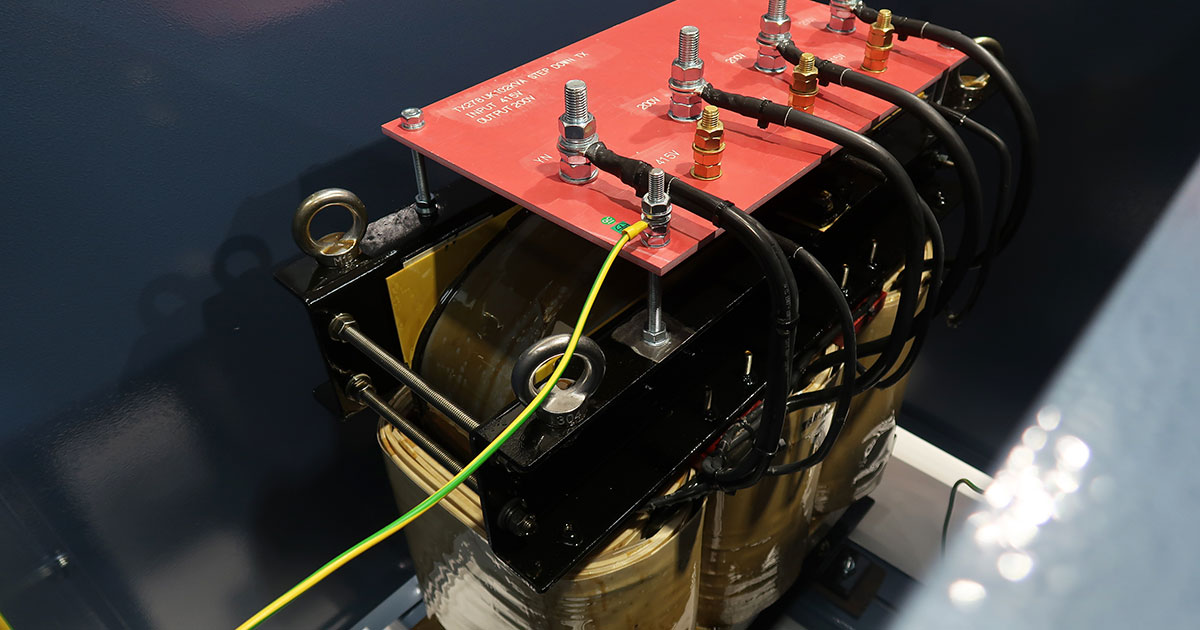
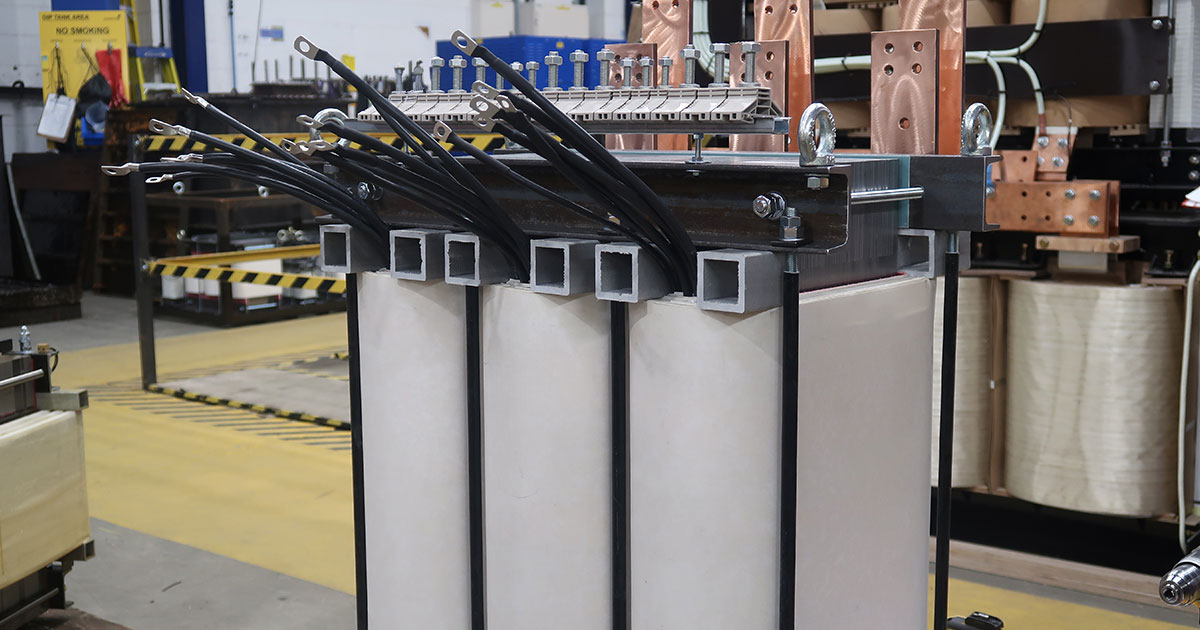
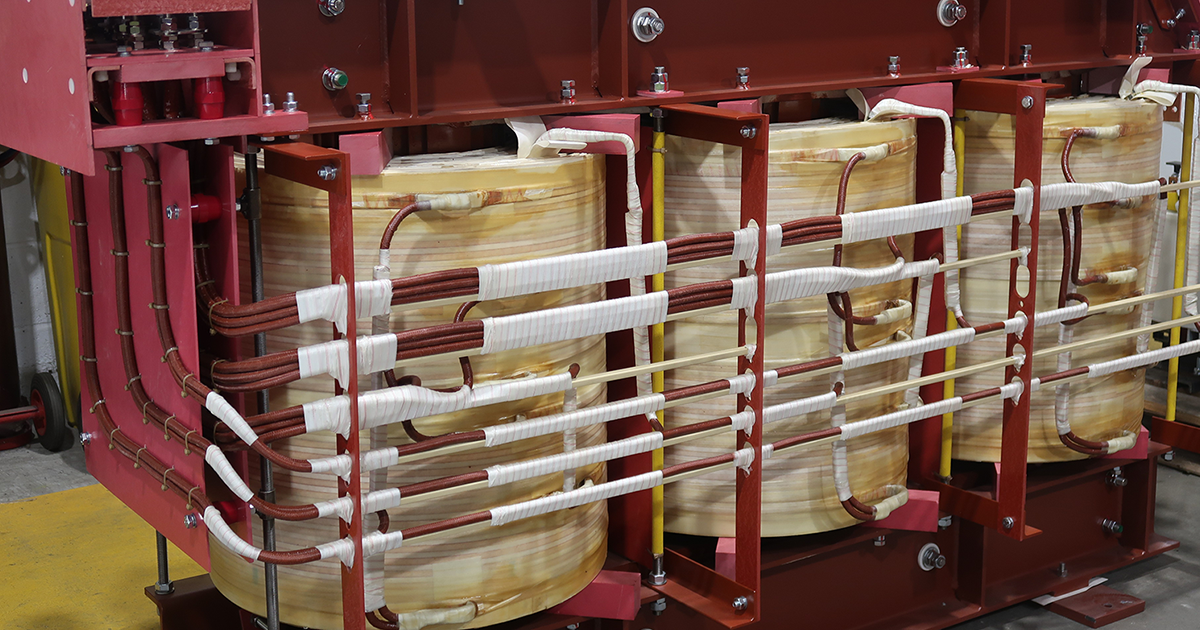
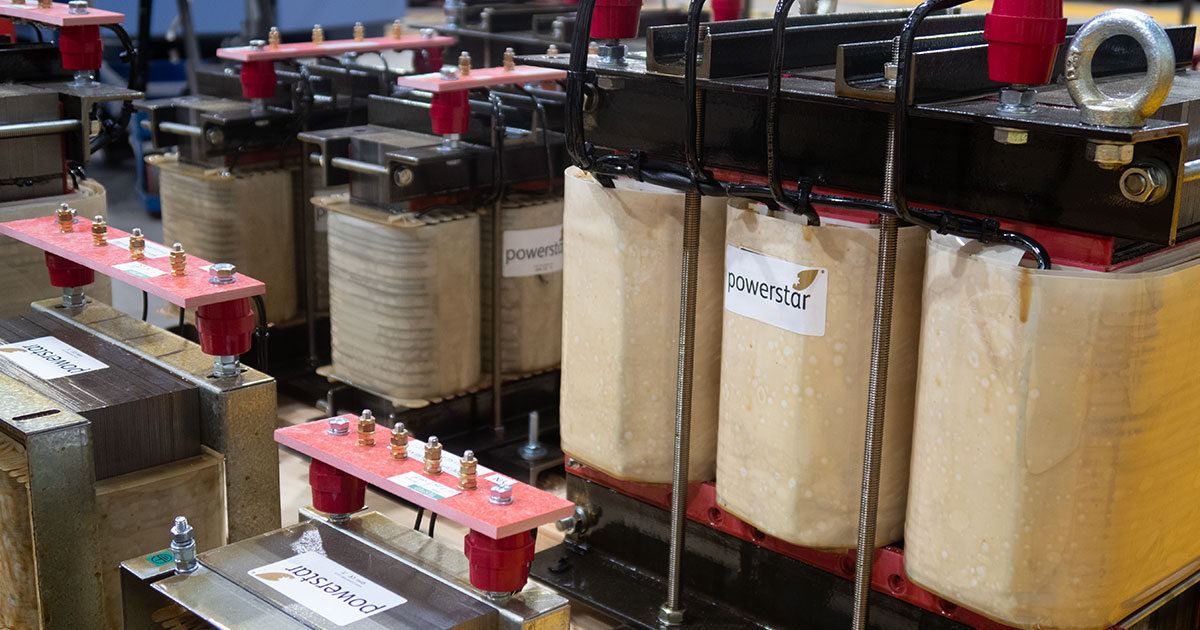
Companies will often already incorporate energy-saving technologies into their everyday business operations – from making the switch to LED lighting, to the installation of solar panels and switching their vehicle fleet to EVs. But energy infrastructure changes can sometimes be overlooked yet offer significant efficiency benefits. Voltage Optimisation (VO) is a case in point. While some businesses have VO as part of their energy management mix, and have done so for years, many for whom it could offer efficiency gains may not have considered it. For those already using VO, old units may still be proving workable, but they are often outdated as compared to their modern equivalents. And, as the UK becomes increasingly electrified, VO is a core technology that will only become more important: for cost savings, and lower emissions.
Commonly, UK businesses are supplied with a voltage of 240V, yet most UK equipment is designed for a nominal 230V supply. Higher-than-needed voltage can increase consumption for voltage-dependent loads and can increase stress and heat losses. As we become increasingly automated, and as businesses incorporate more smart technologies, this disconnect can mean unnecessary energy consumption. Stabilising your business’ incoming power supply through VO can improve energy efficiency, lowering emissions – with the impact for your customers’ Scope 3 targets – and reducing your own energy spend.
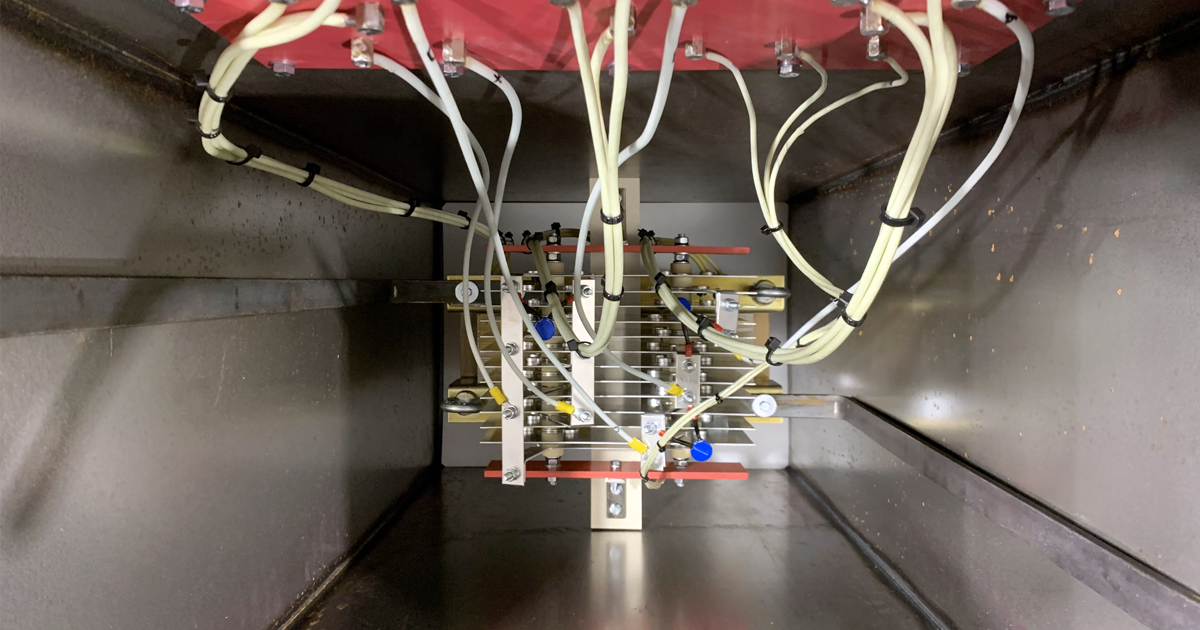
Modern, dynamic VO – as opposed to traditional VO solutions – can offer remote monitoring, which provides critical data: site consumption, and real-time performance information, to enhance resource efficiency with the transparency and data logging in keeping with the ethos of the forthcoming ISO and SBTi Standards. This means you can put verifiable energy data in front of your Tier 1 customers.
Powerstar clients demonstrate the rationale behind choosing dynamic VO to lower energy spend while reducing their carbon footprint. For a deeper dive into the technology, have a look at our recent blog that covers the technology and its benefits in more detail: https://powerstar.com/blog/how-voltage-optimisation-saves-energy-and-protects-electrical-assets/
Where we’re headed – the good news
The news narrative doesn’t always reflect the reality. There’s no escaping the current flux around global issues of tariffs and trade, and the impact of National Insurance (NIC) changes has hit hard on UK businesses, across all sectors. But there’s a clear commitment to climate action from FTSE 100 companies.
Driving the Net Zero agenda – when combined with transparent and actionable Standards – this fresh impetus helps SMEs justify the upfront investment in energy management technologies that demonstrate immediate cost savings, alongside greater energy efficiencies, meaning lower Scope 3 emissions for your customers.
As a SME, focusing on energy management to impact competitiveness with your customers can prove a win-win: demonstrating your Net Zero ambitions while showing immediate cost savings, through proven energy management technology.
[2] https://eco-act.com/blog/2026-corporate-sustainability-trends/
[3] https://sciencebasedtargets.org/developing-the-net-zero-standard#3615769
[4] https://sciencebasedtargets.org/developing-the-net-zero-standard#3466118
[5] https://ghgprotocol.org/sites/default/files/Trends