

In July, the Government issued a new policy paper, The Good Food Cycle, working to improve the environmental sustainability of British food and to create sustainable growth in the sector: with fairer supply chains that will positively impact food and drink manufacturers as well as consumers. In this blog, we look at current industry confidence, Government response, and how positive adaptation of your energy management can improve manufacturing sustainability while driving down costs through greater efficiency.
A depressed industry?
In May, the Food and Drink Federation (FDF) issued a press release, with a sobering headline announcing that 41% of food and drink manufacturers are scaling back on investment, given low confidence across the sector, at -43% in Q1 2025[1]. More than half of businesses surveyed are looking to prioritise investment in automation (54%) to help drive productivity, but a third of businesses anticipate that conditions will worsen further as a result of a higher National Minimum Wage, increases in employer National Insurance Contributions, and the Extended Producer Responsibility (EPR) packaging tax.
At the same time, production costs have increased and nearly a quarter of food and drink manufacturers have seen costs going up by ten percent or more over the year to March 2025. As staffing, ingredient and energy costs continue to rise, manufacturers anticipate further cost increases – nearly five percent in the next year.
In this context, where food security is critical for the UK, the FDF have highlighted the need for Government action, to increase confidence and prioritise support for the country’s largest manufacturing sub-sector. The Good Food Cycle perhaps signals this commitment, alongside last December’s Food Security Report – specifically Theme 3: Food Supply Chain Resilience[2].

Energy and business resilience
In the Food Security Report, Theme 3 focuses on stability and resilience across the food supply chain, and energy and business resilience are highlighted as critical to a secure food system.
Accurately measuring the energy intensity of the food supply chain is complex, given the breadth of the sector – from agriculture to end-consumers – and the ubiquity of processes involving energy – from fertilisers to transport, food processing, and retail needs. But the Report notes that overall energy demands have gone down over the last 14 years, as a result of improved energy efficiency. However, between 2021 and 2023, the rate of decline in energy usage slowed, at approximately 2%, and the Report highlights the situation in Ukraine, which clearly impacted the sector’s capacity to continue ‘business-as-usual’ when energy costs were at a record high.
One point the Report makes, and which is highly pertinent to this consideration of food and drink manufacturers’ current confidence levels,
“The reduction of dependence on energy, particularly the reduced use of non-renewable sources, could be interpreted as an example of re-orientation that helps mitigate effects from future disruptions. It is difficult to establish from the data the extent to which the sector is re-orientating by reducing its dependence on energy or, by contrast, making short term business decisions.”[3]
At that point, in December 2024, the importance of being prepared for future risks – as the Russian invasion of Ukraine demonstrated – was pinpointed as critical for food security and the health of the food and drink manufacturing industry. Identified as a food system ‘lock-in’, the Report identifies that “business uncertainty and low confidence can be a barrier to making changes towards greater resilience and sustainability.”[4]
The Good Food Cycle: what is the vision?
The policy paper is probably the most important statement of intent on the Government’s part since the Food Security Report. Announcing it on 15th July, Food Minister Daniel Zeichner explained,
“This is a vision for a healthier, more affordable, sustainable, and resilient 21st-century UK food system that grows the economy, feeds the nation, nourishes people, and protects the environment and climate – now and in the future.”[5]
The intention is to grow business confidence for increased investment. Outlining ten actions necessary to improve food security, the policy paper identifies four main themes for a UK food strategy: economic growth, driven by a thriving British food and drink sector; healthier food for a healthier population; environmental demands to reduce pollution, waste, and emissions, with better land management and concern for our seas and waterways; improved supply chain resilience, reducing the impact of shocks and risks to healthy and sustainable food supply[6].
Immediate priorities for food and drink manufacturing: the State of Industry
The FDF’s latest State of Industry Report, from Q1 2025, identifies a range of priorities highlighted by manufacturers[7]. The major aspect to consider, when looking to any means to grow confidence, is the nature of food manufacturing’s business model: low margin – high volume.
Growing domestic sales: The Report notes that growing UK sales is the top priority for most food and drink manufacturers – 65% of respondents to the latest survey. Where margins become ever-tighter, and where industry costs are increasing (up by 33%, excluding labour, regulatory, and finance costs), manufacturers are forced to absorb these cost increases. For large manufacturers, 60% have identified growing their UK sales as number one priority, and this increases to 76% of SMEs.
The need for investment: This is identified as the main longer-term barometer for the health of the sector. And this is looking stable, with about 80% of manufacturers intending to either maintain or increase their current level of investment. This includes two key areas: 50% intending to invest in plant and machinery – namely, automation – and 23% intending to invest in training to manage this increased automation. And, as manufacturers are considering investment priorities over the next 12 months, the combined growth of automation together with seeking opportunities to reduce energy bills without compromising productivity is an increasingly important aspect of competitiveness across the industry.
Spotlight on automation: Large-scale manufacturers are already highly-automated, but 22% are continuing to prioritise increased automation, as are 59% of mid-sized and smaller companies. This seems to be in part a result of, and a response to, government policies, e.g. minimum wage and NIC increases, and EPR taxes.
Improving confidence through energy technology adaptation
In this context, where low margin and high volume are paramount to the success of many food and drink manufacturers, energy efficiency is business-critical. Improving your energy asset management – including upgrading your assets or replacing outdated technologies – can help reduce costs and improve margins.
Where companies are investing in, or considering purchasing, new plant and machinery – to boost productivity and address the labour shortage in the sector – improved energy management can help to justify this investment and maximise returns. Increased automation can mean higher energy demand, and so the most efficient use of energy is crucial. Equally, where efficiencies can be identified, this can help to overcome current barriers to investment and foster a longer-term approach.
To meet the sustainability goals that are embedded in the Government’s Food Strategy and reiterated in the latest Good Food Cycle paper, a focus on improved energy management can help manufacturers ensure they are fully engaged with these agendas.

Technology overview: voltage optimisation and modern transformers
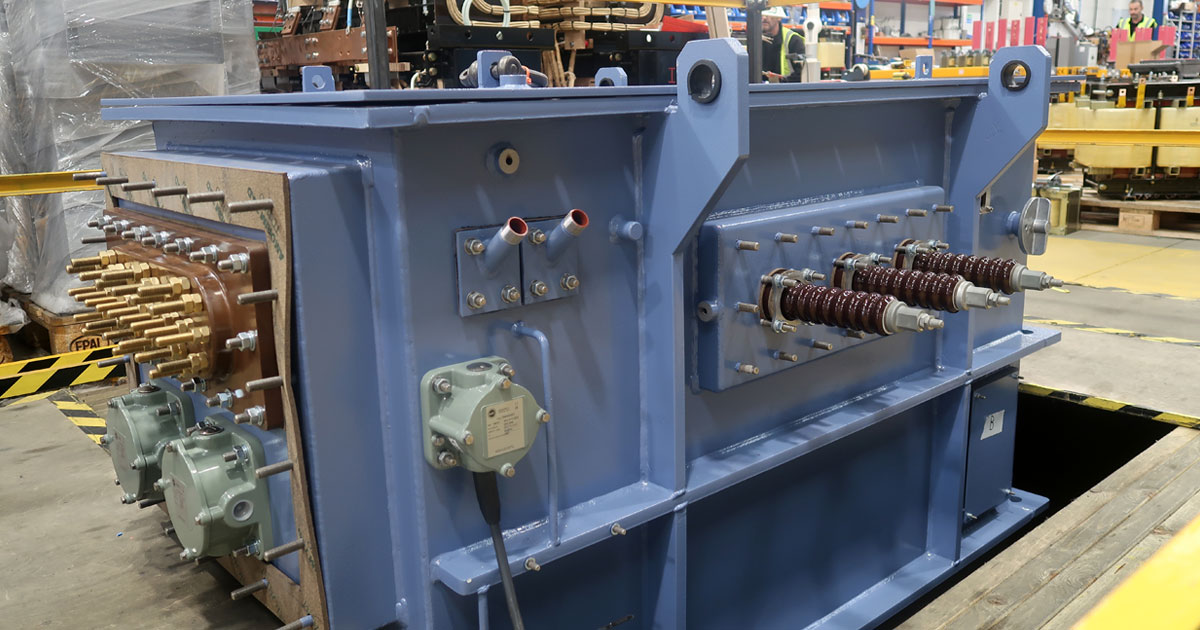
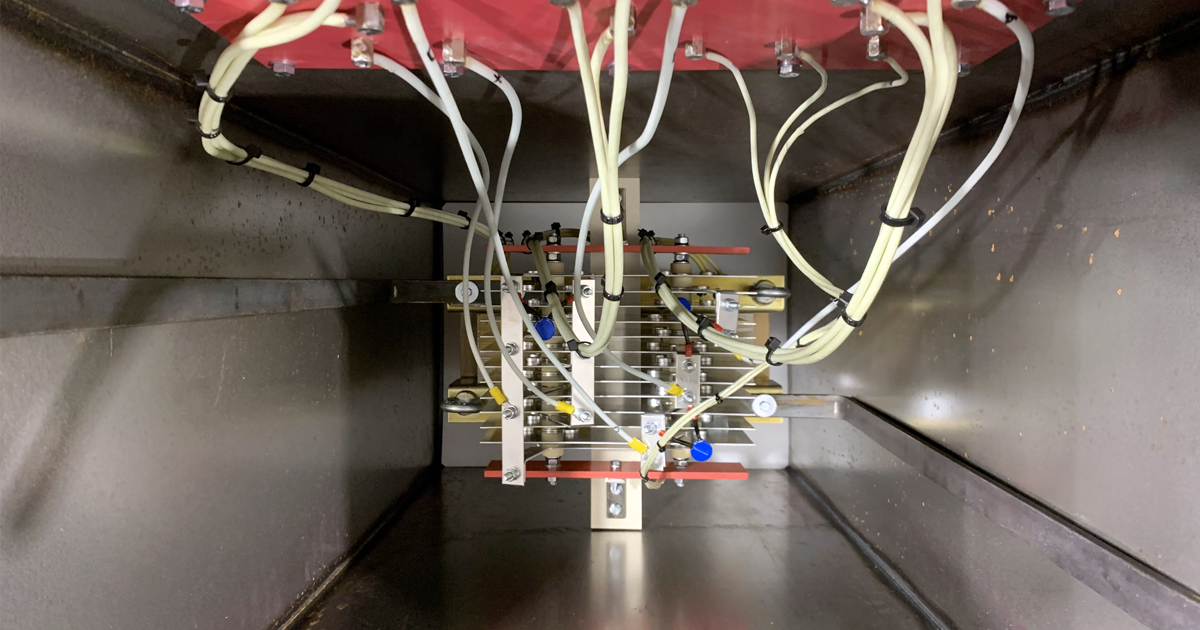
From voltage optimisation and low loss transformers to battery energy storage, these energy saving technologies are covered in-depth on Powerstar’s website. Here, we offer some headline statistics – the positive results our food and drink manufacturing customers have found – where our solutions are implemented.
M I Dickson: Higher than necessary and unstable voltage led us to recommend VO, specifically including the capability to dynamically regulate incoming voltage level, as opposed to setting a fixed level as with many other VO solutions.
Looking at the same 35-day period, one year apart, site energy consumption has decreased by more than 8,000 kWh. And this is despite production volume increasing at the manufacturing site. This equates to a 13% saving per tonne of production.
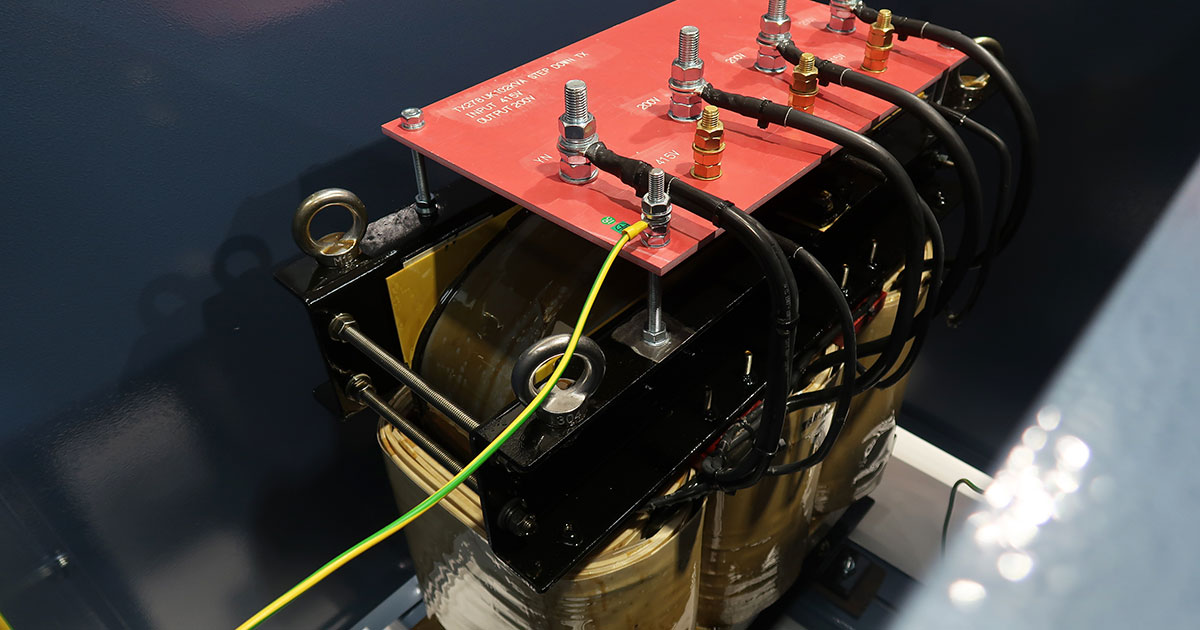
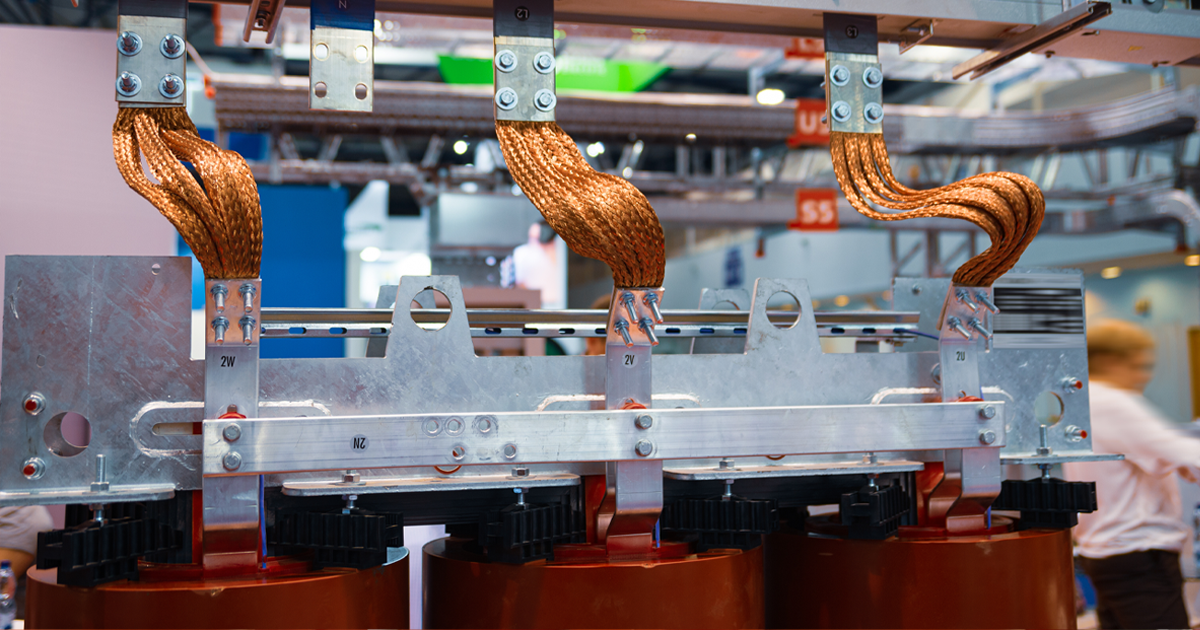
Quorn: We identified that replacing their outdated transformers with modern alternatives would increase the efficiency of their high-voltage infrastructure while reducing their energy consumption.
Energy usage has been reduced by 10.2% per annum – lowering carbon emissions by 365 tonnes, and saving more than £70,000 on energy spend. This has also removed a significant point of potential production failure, should the old transformers have failed.
2 Sisters Food Group: The client wanted to reduce energy consumption, lower costs, and reduce carbon emissions, while futureproofing their infrastructure and protecting their equipment at the site. We recommended both voltage optimisation and low-loss transformers.
Installation of these new energy management assets has protected the site’s equipment from premature burn-out now that the voltage is properly regulated. Energy consumption has dropped by 119 kWh, saving more than 1 million kWh per year, reducing energy spend by approximately £61,850 – between 8 and 10 percent of total energy costs.
Battery Energy Storage (BESS): a webinar for food and drink manufacturers
In a blog last month, we looked at the issues of balancing sustainability alongside power resilience, how grid supply can hamper business growth for manufacturers, and how BESS can help overcome these issues.
In partnership with FDF, on 24th July James Hampshire, Principal Engineer at Powerstar, will provide an in-depth look at how BESS can help address multiple issues facing food and drink manufacturers.
James will cover:
- Why grid capacity is a major barrier to electrification and sustainability
- The four main use cases of energy storage
- How BESS acts as a buffer and can unlock flexibility
- Practical steps to reduce reliance on natural gas, and to use cleaner energy
- Real-world examples of how energy storage supports decarbonisation
Register for Breaking Down Barriers to Electrification in Food & Drink with Battery Energy Storage Systems (BESS) here.
And, to find out more about how Powerstar can help meet the challenges facing food and drink manufacturers, and how we support the sector, download out latest Food & Drink Manufacturing white paper.
[1] https://www.fdf.org.uk/fdf/news-media/press-releases/2025/41-of-food-and-drink-manufacturers-scaling-back-investment-as-sector-confidence-remains-low/
[2] https://www.gov.uk/government/statistics/united-kingdom-food-security-report-2024/united-kingdom-food-security-report-2024-theme-3-food-supply-chain-resilience#introduction
[3] Ibid. 3.1.5 Energy
[4] Ibid. 3.3.3 Business Resilience
[5] https://www.gov.uk/government/speeches/food-minister-daniel-zeichner-good-food-cycle-speech#:~:text=This%20is%20a%20vision%20for,now%20and%20in%20the%20future
[6] https://www.gov.uk/government/publications/a-uk-government-food-strategy-for-england/a-uk-government-food-strategy-for-england-considering-the-wider-uk-food-system#:~:text=The%20food%20strategy%20will%20set,Change%20and%20our%20national%20missions.
[7] https://www.fdf.org.uk/fdf/resources/publications/state-of-industry-reports/state-of-industry-report-q1-2025/